

Sales Training Cost vs Effectiveness: How to Compare Your Options
Choosing the right sales training programme is one of the most consequential decisions a business leader can make. With prices ranging from a few hundred pounds per person to well over £50,000 for customised corporate programmes, the stakes are high. Yet cost alone tells you very little. The real question is: which investment delivers lasting behavioural change and measurable revenue growth? This guide compares the most common professional development options available in the UK, explains how Impel Dynamic approaches cost-effectiveness differently, and gives you the data you need to make a confident decision.
Why Cost Alone Is a Poor Measure of Sales Training Value
Sales training is a strategic investment, not a line-item expense. According to research compiled by Qwilr, companies that prioritise training are 57% more effective than their competitors, and the average ROI of sales training sits at an impressive 353%. Despite these figures, the average annual spend per employee remains just $2,000.
The disconnect is clear: most organisations under-invest and then judge programmes by sticker price rather than performance impact. A low-cost course that fails to change behaviour is far more expensive than a premium programme that lifts win rates and shortens sales cycles.
Types of Sales Training Compared
Professional development for sales teams falls into several distinct categories. Each carries different price points, formats, and expected outcomes. The table below summarises the most common options available to UK businesses.
| Training Type | Typical Cost (per person) | Format | Best For | Key Limitation |
|---|---|---|---|---|
| Free online courses | £0 | Self-paced video | Foundational knowledge | Limited depth, no personalisation |
| On-demand platforms | £200 - £1,000/year | Digital modules | Remote or distributed teams | Low engagement without support |
| One-off workshops | £500 - £2,500 | 1-2 day classroom | Quick skills refresher | 70% of content forgotten in 24 hours |
| Methodology programmes (e.g. SPIN, Sandler) | £2,000 - £5,000 | Blended / multi-day | Enterprise B2B teams | Can feel academic, slow to adapt |
| Bespoke provider (e.g. Impel Dynamic) | Tailored to scope | Blended: coaching, workshops, reinforcement | Organisations seeking lasting change | Requires commitment to full programme |
| AI coaching platforms | £1,000 - £3,000/year | Always-on digital | High-velocity SaaS teams | Integration complexity |
As Deelan's 2026 pricing guide notes, reputable sales training typically costs between $400 and $5,000 per person, while customised corporate programmes can exceed $50,000. The right choice depends on your team size, selling complexity, and growth goals.
Hidden Costs Most Buyers Overlook
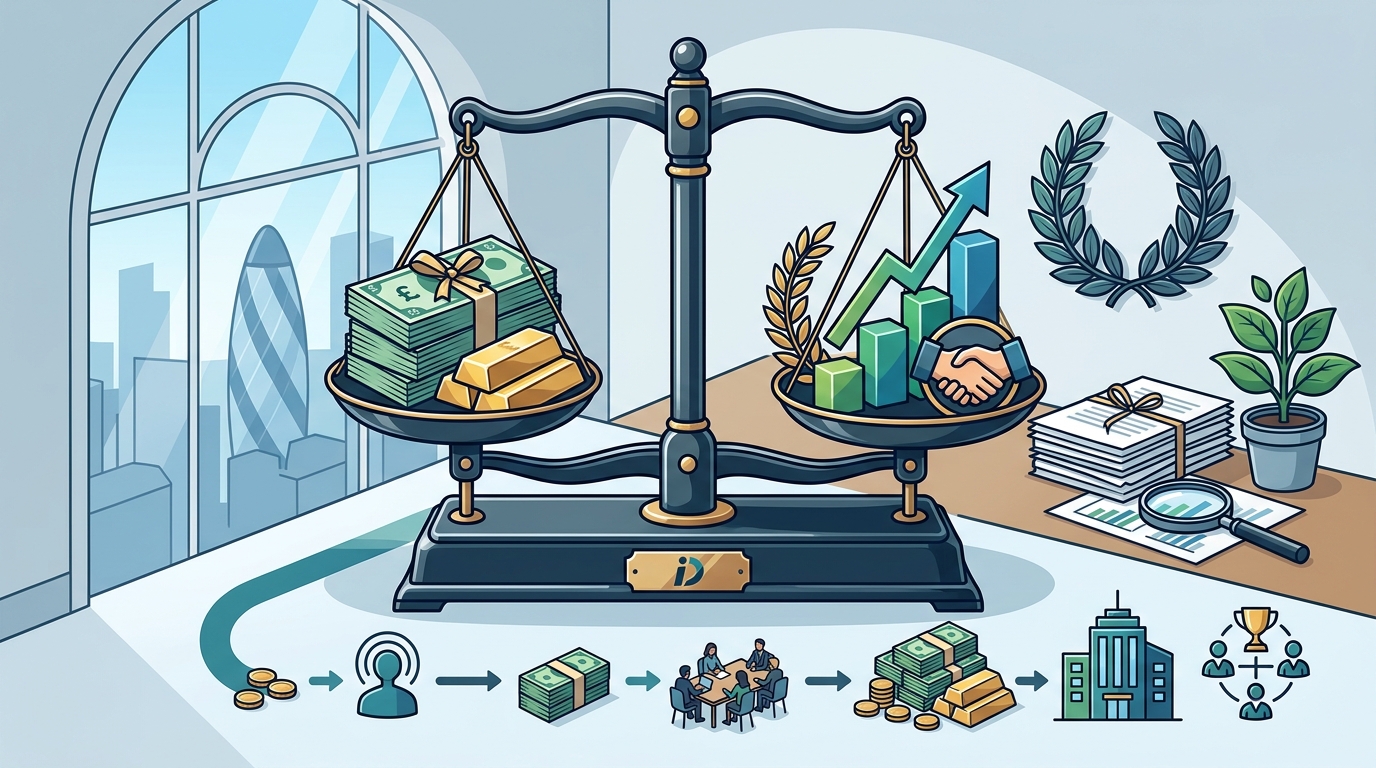
The Forgetting Curve
The forgetting curve is the well-documented phenomenon where learners lose up to 70% of new information within 24 hours if it is not reinforced. One-off workshops are particularly vulnerable to this effect. Without a structured reinforcement plan, your initial investment is essentially wasted.
Manager Readiness
A common mistake, according to industry analysis, is investing in a big workshop without training managers first to coach the new skills. If frontline leaders cannot sustain the learning, results fade within weeks.
Opportunity Cost of Poor Training
Nearly half of account executives cite poor training or onboarding as a reason for leaving their role. High turnover is one of the most expensive hidden costs in sales, often dwarfing the price of a quality programme.
How Impel Dynamic Delivers Lasting Results
Impel Dynamic's proven methodology is built around a principle that separates it from generic providers: training must create lasting behavioural change, not just momentary motivation. Based in London, Impel Dynamic works with organisations such as Bupa, SES, and ARM to build programmes that stick.
Their approach blends three pillars: expert-led sales training courses, ongoing bespoke sales programmes tailored to your commercial challenges, and structured coaching that equips managers to reinforce skills long after the classroom session ends. This mirrors what Forrester Research identifies as best practice: top training vendors follow a comprehensive learning strategy that includes long-term reinforcement and equipping sales coaches.
Impel Dynamic also offers virtual training options for distributed teams and open courses for individuals or smaller groups who want access to the same proven content without commissioning a full bespoke programme.
Measuring Sales Training ROI the Right Way
Return on investment (ROI) is the financial lens executives require to justify training spend. The Phillips ROI Model is one widely recognised framework: compare the monetary benefits of training against its total cost. For example, if a programme costs £40,000 and generates £160,000 in additional closed deals, the ROI is 300%.
What to Track
Effective measurement goes beyond satisfaction surveys. Track win rates, average deal size, sales cycle length, and quota attainment over a 3-6 month window after training concludes. Comparing results between trained and untrained groups helps isolate training impact from other variables such as product launches or marketing campaigns.
Continuous Improvement
Measurement should feed a continuous improvement cycle. If training improved product knowledge but had little effect on negotiation outcomes, future programmes should shift emphasis accordingly. This iterative approach is central to how Impel Dynamic designs its business development programmes.
Key Takeaways
- Sales training costs range from free to over £50,000, but price is a poor proxy for value.
- Companies that invest in quality training are 57% more effective than competitors and see average ROI of 353%.
- One-off workshops suffer from the forgetting curve, with up to 70% of content lost within 24 hours.
- The most effective programmes blend live coaching, digital resources, and manager enablement for lasting behavioural change.
- Impel Dynamic's London-based methodology combines bespoke design, reinforcement, and coaching to drive measurable results.
- Always measure training ROI over 3-6 months using metrics like win rates, deal size, and quota attainment.
- Hidden costs such as staff turnover from poor training often exceed the price of a quality programme.
Frequently Asked Questions
How much does professional sales training cost in the UK?
Costs vary widely. Free online courses offer basic knowledge, while structured programmes from specialist providers typically range from £400 to £5,000 per person. Fully customised corporate programmes for larger teams can exceed £50,000 depending on scope and duration.
What is the average ROI of sales training?
Industry data suggests the average ROI of sales training is approximately 353%. However, this figure depends heavily on programme quality, reinforcement, and whether managers are equipped to coach new skills after the initial training.
How does Impel Dynamic's training differ from one-off workshops?
Impel Dynamic uses a blended methodology that combines classroom training, bespoke programme design, and ongoing coaching. This approach directly addresses the forgetting curve and ensures skills are embedded into daily selling behaviour rather than forgotten within days.
Can small businesses afford effective sales training?
Yes. Impel Dynamic offers open courses that give smaller teams access to proven sales training content without the cost of a fully bespoke engagement. Virtual training options further reduce travel and logistics expenses.
How long does it take to see results from sales training?
Most organisations should allow 3 to 6 months to fully evaluate training impact. This window captures both behavioural adoption in the field and its influence on business outcomes such as win rates and customer satisfaction.
What makes a sales training programme effective?
An effective sales training programme is one that demonstrably improves key performance indicators such as win rates, deal velocity, and revenue growth. The best programmes combine theoretical knowledge with practical application and include long-term reinforcement to sustain behavioural change.
Is online sales training as effective as in-person?
Blended learning, which mixes live coaching with digital resources and peer learning, consistently outperforms either format alone. Impel Dynamic's virtual training option is designed to deliver the same depth and interaction as in-person sessions while offering greater flexibility for distributed teams.
How do I choose between different sales training providers?
Evaluate providers on four criteria: whether their methodology drives lasting behavioural change, whether they include manager coaching, whether they can tailor content to your specific sales challenges, and whether they can demonstrate measurable ROI from past engagements.
Get Started with Impel Dynamic
If you are ready to invest in sales training that delivers measurable, lasting results, the next step is simple. Contact Impel Dynamic to discuss your team's goals and discover which programme format, from open courses to fully bespoke solutions, will drive the strongest return for your business.