

Sales Training Challenges: 7 Proven Solutions That Drive Real Results
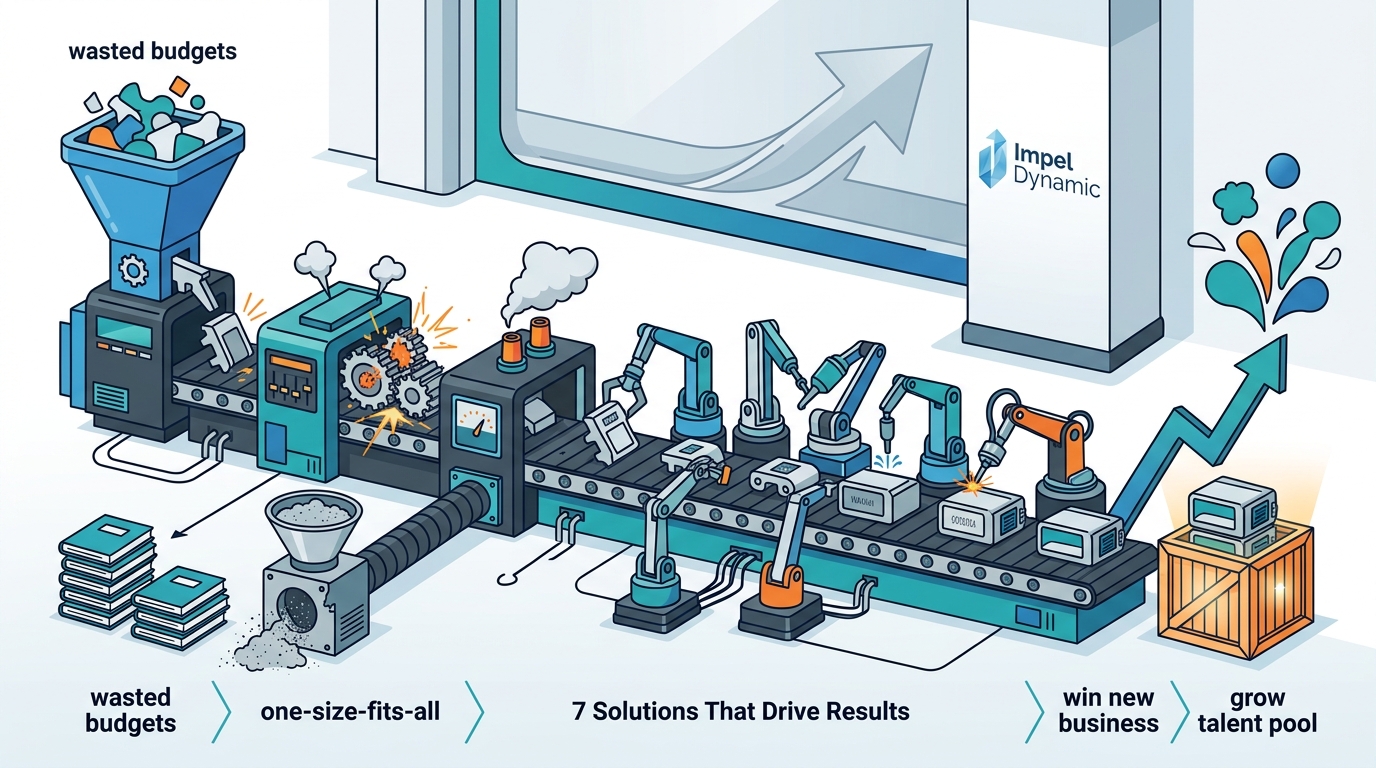
Implementing sales training sounds straightforward, but most organisations stumble during execution. Research shows that 72% of sales training fails because it tries to be one-size-fits-all, while 87% of reps forget what they learned within a month. The result? Wasted budgets, frustrated teams, and stagnant pipelines. The good news is that these challenges are predictable and solvable. In this guide, we break down the seven most common sales training implementation challenges and share practical solutions that leading UK businesses use to turn training investment into measurable revenue growth.
1. Overcoming Time Constraints
Time pressure is the most frequently cited barrier to effective sales training. Sales teams are under constant pressure to generate new clients and manage existing accounts, leaving little room for learning. A RAIN Group survey of 242 sales professionals found that time constraints top the list of implementation hurdles.
The Modular Solution
A modular training approach is a method that breaks learning into short, focused sessions spread over time rather than consuming full days at once. Flipped classroom models, where reps review microlearning content before interactive sessions, reduce seat time while boosting engagement. Impel Dynamic's bespoke sales programmes offer flexible 1-to-5-day formats that fit around selling schedules.
2. Moving Beyond One-Size-Fits-All Training
Generic training content is a primary reason programmes fail. According to data from 8,561 US sales leaders, 72% say training fails because it tries to be one-size-fits-all. Different roles, industries, and skill levels demand tailored content.
How Customisation Works in Practice
Effective customisation starts with a pre-training needs assessment. At Impel Dynamic, delegates complete a pre-training questionnaire so course content is tailored to their real-world targets, objections, and action plans. This approach ensures that every session directly addresses the challenges participants face daily.
3. Beating the Forgetting Curve
The forgetting curve is the scientifically documented decline in memory retention over time without reinforcement. Gartner research indicates that B2B sales reps forget 70% of training content within a week and 87% within a month. Without a reinforcement plan, even the best training evaporates.
Reinforcement Strategies That Stick
Post-training reviews, coaching sessions, and structured 90-day action plans combat knowledge loss. Impel Dynamic builds post-training reinforcement into every programme, including post-course reviews at 8 to 12 weeks and one-on-one sales coaching to lock in new behaviours.
4. Measuring Training ROI Effectively
Around 52% of sales teams lack proper analytics to measure training ROI, according to Global Growth Insights market research. Without clear metrics, it is impossible to justify continued investment or identify what is working.
| Challenge | Prevalence | Recommended Solution |
|---|---|---|
| Outdated training content | 62% of sales leaders | Regular content refreshes and tailored programmes |
| One-size-fits-all approach | 72% cite as failure cause | Pre-training assessments and role-based modules |
| Knowledge forgotten within a month | 87% of reps | Post-training coaching and spaced reinforcement |
| No ROI tracking | 52% of teams | Kirkpatrick model and Phillips ROI framework |
| Budget constraints | 43% of small businesses | Pilot programmes with phased rollout |
| Lack of manager coaching | Only 26% receive weekly coaching | Manager enablement training |
| Hybrid delivery gaps | 53% adding virtual training | Blended learning formats |
Frameworks for Measurement
The Kirkpatrick model is a four-level evaluation framework that progresses from learner reaction to organisational impact. Pair it with the Phillips ROI formula (ROI = (Benefits - Costs) / Costs x 100) to give leadership the financial proof they need. Organisations using structured measurement have reported ROI as high as 353%.
5. Getting Manager Buy-In and Coaching Support
Even the best training programme falls flat without reinforcement from direct managers. Research shows that organisations with effective sales training are 5.2 times more likely to prepare sales managers to motivate and coach their teams. Yet only 26% of reps receive weekly coaching.
Impel Dynamic's open sales management course equips managers with leadership skills, performance management techniques, and coaching frameworks so they can sustain the training's impact long after the sessions end.
6. Maximising Results on a Limited Budget
Budget constraints affect 43% of small businesses looking to implement sales training. The key is to focus on ROI rather than cost per head. Start with a smaller pilot group, demonstrate measurable results, then expand. For every dollar spent on quality sales training, companies see an average return of $4.53.
Impel Dynamic's virtual sales training provides a cost-effective alternative that eliminates travel expenses while maintaining the interactive, hands-on learning experience that drives real behaviour change.
7. Adapting Training for Hybrid and Virtual Teams
The shift to hybrid work has led 53% of sales leaders to implement more virtual training. Sales teams now need to master both face-to-face and remote selling. A blended learning approach is a training strategy combining virtual workshops, in-person sessions, and self-paced digital content to suit different learning styles.
Impel Dynamic's virtual training uses workshops, one-on-one representative work, and simulations to ensure every team member builds confidence regardless of location. Their consultants analyse existing sales processes before designing the programme content.
Key Takeaways
- 72% of sales training fails due to generic, one-size-fits-all content. Always customise.
- The forgetting curve means 87% of training is lost within a month without reinforcement.
- Post-training coaching and 90-day action plans are essential for lasting behaviour change.
- 52% of teams cannot track ROI. Use the Kirkpatrick model and Phillips ROI formula.
- Manager coaching multiplies training effectiveness by 5.2 times.
- Start small with pilot programmes to prove value before scaling investment.
- Blended learning formats address the needs of hybrid and remote sales teams.
Frequently Asked Questions
What is the biggest reason sales training fails?
The most common reason is a one-size-fits-all approach. Research from over 8,500 sales leaders shows that 72% attribute training failure to generic content that does not address role-specific challenges or real-world selling scenarios.
How quickly do sales reps forget training content?
According to Gartner research, B2B sales reps forget 70% of training information within one week and 87% within one month. Ongoing reinforcement, coaching, and spaced learning are critical to combat this.
How do you measure sales training ROI?
Use the formula: ROI = (Training Benefits - Training Costs) / Training Costs x 100. Track leading indicators like skill application and pipeline activity alongside lagging indicators like win rates and revenue growth over 6 to 12 months.
What is the forgetting curve in sales training?
The forgetting curve is a concept first documented by Hermann Ebbinghaus in 1885. It describes the exponential decline in memory retention over time without active reinforcement. In sales training, it means most content is lost within weeks unless followed up with coaching and practice.
How can small businesses afford effective sales training?
Focus on ROI rather than upfront cost. Start with a pilot group, use virtual training to cut travel expenses, and scale based on demonstrated results. Quality programmes like those from Impel Dynamic deliver an average return of $4.53 for every dollar invested.
Why is manager involvement critical for sales training success?
Managers are the frontline of skill development. Organisations with effective training are 5.2 times more likely to have prepared their managers to coach and motivate teams. Without manager reinforcement, new skills rarely transfer to daily selling activities.
Should sales training be virtual or in person?
A blended approach works best. Data shows 90% of sales leaders find a mix of in-person and virtual training effective. The ideal format depends on team structure, geography, and learning preferences.
How long should a sales training programme last?
Effective programmes range from intensive one-day courses to ongoing multi-month development plans. The critical factor is not duration but whether the programme includes pre-training assessment, practical application, and post-training reinforcement.
Ready to Solve Your Sales Training Challenges?
Stop investing in training that your team forgets within weeks. Impel Dynamic's expert-led, fully customised programmes are designed to deliver measurable results from day one, with built-in reinforcement to ensure lasting change. Explore our sales training courses or get in touch for a free consultation to discuss your team's specific challenges.