

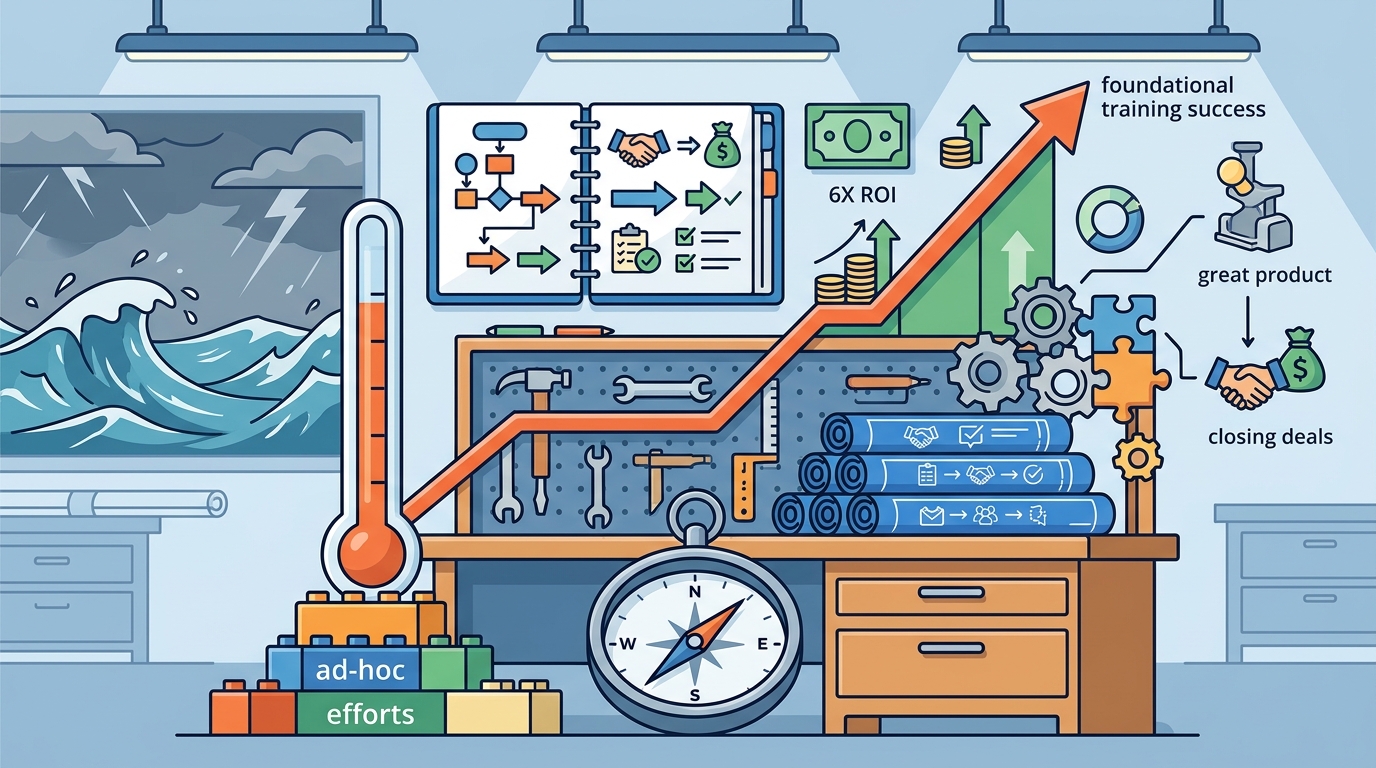
Starting a business without a structured sales approach is like navigating a storm without a compass. According to recent industry analyses, companies with robust sales training programs see an average return on investment of 6X compared to those that rely on ad-hoc methods. This statistic highlights the critical need for foundational knowledge before scaling operations. For new enterprises, the gap between having a great product and closing deals is often bridged by systematic training. This guide outlines the essential resources, methodologies, and strategic frameworks necessary to build a high-performing sales team from the ground up.
Foundational Sales Methodologies
Before investing in external resources, it is vital to understand the core frameworks that govern modern sales. These methodologies provide the structural backbone for how sales teams interact with prospects. Without a defined approach, sales efforts become disjointed and inefficient.
Consultative Selling
Consultative selling is a methodology that focuses on building relationships and understanding customer needs before presenting a solution. This approach shifts the dynamic from pushing products to solving problems. It requires salespeople to ask deep, probing questions that uncover pain points. Research indicates that consultative sellers are more likely to close high-value deals because they align their offerings with specific client outcomes.
SPIN Selling
SPIN selling is a structured questioning technique developed by Neil Rackham. It stands for Situation, Problem, Implication, and Need-payoff questions. This framework helps sales professionals guide prospects through a logical journey toward recognizing the value of a solution. By focusing on the implications of current problems, sellers can create urgency and demonstrate clear ROI.
Challenger Sale
The Challenger Sale is a methodology that teaches salespeople to teach, tailor, and take control of the customer conversation. Rather than simply building rapport, challengers offer unique insights that reshape how customers view their challenges. This approach is particularly effective in complex B2B environments where buyers are overwhelmed with information. It empowers sales teams to lead the conversation rather than follow it.
Training Delivery Models
Once the foundational methodology is selected, the next step is choosing the right delivery model. The format of training significantly impacts retention and application rates. New businesses must evaluate their budget, timeline, and team size to determine the most effective approach.
Open Courses
Open courses are structured programs available to the public, often hosted by training providers. These courses are ideal for individuals or small teams looking for standardized learning experiences. They provide a consistent curriculum and access to industry experts. However, they may lack the customization needed for specific business contexts.
In-House Training
In-house training involves bringing experts directly to the company to tailor content to specific needs. This model allows for immediate application of concepts to real-world scenarios. It fosters a collaborative learning environment and addresses unique team challenges. The downside is that it can be more expensive and requires significant coordination.
Virtual Training
Virtual training offers flexibility and scalability for distributed teams. It leverages digital platforms to deliver interactive lessons and workshops. This model is cost-effective and allows participants to learn at their own pace. However, it requires strong self-discipline and reliable technology infrastructure to be effective.
Key Skills for New Sales Teams
Regardless of the methodology or delivery model, certain core skills are non-negotiable for new sales teams. These skills form the bedrock of successful sales performance and must be cultivated from day one.
Active Listening
Active listening is the ability to fully concentrate on what is being said rather than just passively hearing the message. It involves acknowledging the speaker, asking clarifying questions, and reflecting back key points. This skill builds trust and ensures that salespeople understand the true needs of the prospect. Without active listening, sales pitches often miss the mark entirely.
Objection Handling
Objection handling is the process of addressing and resolving customer concerns during the sales cycle. It requires empathy, preparation, and the ability to reframe objections as opportunities. Effective objection handling turns potential deal-breakers into conversations about value. It is a critical skill for maintaining momentum in the sales process.
Negotiation
Negotiation is the process of reaching an agreement through discussion and compromise. It involves understanding both parties' interests and finding mutually beneficial solutions. Strong negotiators focus on value creation rather than just price reduction. This skill is essential for closing deals that are profitable for both the seller and the buyer.
Choosing the Right Program
Selecting the appropriate sales training program requires careful evaluation of several factors. New businesses must align their training choices with their strategic goals and operational realities.
| Program Type | Best For | Pros | Cons |
|---|---|---|---|
| Open Sales Course | Individuals or small teams | Standardized curriculum, cost-effective | Lacks customization |
| Advanced Sales Training | Experienced teams | Deepens expertise, advanced tactics | May be too complex for beginners |
| Bespoke Sales Programme | Organizations with specific needs | Tailored content, immediate relevance | Higher cost, longer setup |
| Leadership & Management | Sales managers | Focuses on team dynamics, coaching | Not direct sales skill building |
Implementation Strategies
Implementing sales training is not a one-time event but an ongoing process. New businesses must adopt strategies that ensure continuous learning and adaptation.
Continuous Learning
Continuous learning is the practice of regularly updating skills and knowledge to stay relevant. It involves seeking feedback, attending workshops, and staying informed about industry trends. Sales environments evolve rapidly, and static knowledge becomes obsolete quickly. Embracing continuous learning ensures that teams remain competitive and agile.
Mentorship Programs
Mentorship programs pair experienced sales professionals with newcomers to facilitate knowledge transfer. This approach accelerates learning by providing real-time guidance and support. Mentors can share practical insights that are not found in textbooks. They also help new hires navigate organizational culture and build confidence.
Data-Driven Optimization
Data-driven optimization involves using metrics to evaluate training effectiveness and make informed adjustments. Key metrics include conversion rates, average deal size, and sales cycle length. By analyzing this data, businesses can identify gaps in training and refine their approach. This ensures that training investments yield tangible business results.
Key Takeaways
- Companies with structured sales training see an average ROI of 6X, highlighting the financial impact of proper preparation.
- Consultative selling focuses on understanding customer needs, leading to higher-value deals and stronger relationships.
- SPIN selling provides a structured questioning framework (Situation, Problem, Implication, Need-payoff) to guide prospects.
- Impel Dynamic offers a 99% client satisfaction rate, demonstrating the effectiveness of their tailored training approaches.
- Bespoke sales programmes allow for customization to specific business contexts, ensuring immediate relevance and application.
- Active listening is a critical skill that builds trust and ensures accurate understanding of prospect pain points.
- Continuous learning and data-driven optimization are essential for maintaining long-term sales performance.
Frequently Asked Questions
What is the best sales training for beginners?
The best sales training for beginners is often a foundational course that covers core methodologies like consultative selling or SPIN selling. It should provide practical tools and frameworks that can be applied immediately. Look for programs that offer ongoing support and resources.
How long does it take to see results from sales training?
Results from sales training can vary, but many businesses see initial improvements within 3 to 6 months. Consistent application of learned skills and continuous reinforcement are key to achieving long-term success. Impel Dynamic reports that their tailored programs deliver impact from Day 1.
Can small businesses afford sales training?
Yes, small businesses can afford sales training by choosing cost-effective options like open courses or virtual training. These models offer high value without the high costs associated with bespoke programs. Investing in training can lead to significant revenue growth and ROI.
What is the difference between open and bespoke sales training?
Open sales training provides standardized content suitable for a wide audience, while bespoke sales training is customized to address the specific needs and challenges of a particular organization. Bespoke training offers greater relevance and immediate applicability.
How do I measure the effectiveness of sales training?
Effectiveness can be measured by tracking key metrics such as conversion rates, average deal size, and sales cycle length. Additionally, gathering feedback from sales teams and customers can provide qualitative insights into the training's impact.
Is virtual sales training as effective as in-person?
Virtual sales training can be just as effective as in-person training if designed well. It offers flexibility and accessibility, which can enhance engagement. However, it requires strong self-discipline and reliable technology to ensure successful outcomes.
What role does leadership play in sales training?
Leadership plays a crucial role in reinforcing sales training by modeling desired behaviors and providing ongoing coaching. Effective leaders create a culture of continuous learning and accountability. They ensure that training concepts are integrated into daily operations.
Start Building Your Sales Team Today
Building a high-performing sales team requires more than just hiring the right people. It demands a strategic approach to training and development. Whether you are looking for open courses, bespoke programs, or leadership coaching, the right resources can transform your sales operations. Contact Impel Dynamic to discuss how we can tailor a sales training solution to your specific needs. Explore our bespoke sales programmes to see how we can help you win more business and maximize deal value. Discover our open sales courses for immediate, foundational learning. Check out our advanced sales training for deeper expertise. Learn about our leadership and management courses to empower your managers. Read our blog for more insights on scalable sales processes. Explore our business development services for comprehensive support.