

Starting a business is an exhilarating journey, but generating consistent revenue often proves to be the most daunting hurdle. For new enterprises, the lack of a structured sales process can stall growth before it truly begins. According to recent industry analyses, companies with documented sales processes see a 28% higher revenue growth rate compared to those without. This statistic highlights why investing in foundational sales training is not just an option, but a critical operational necessity for any startup aiming for longevity. (Contact Us Get in)
Understanding Sales Fundamentals
Before diving into specific tools or courses, it is vital to define what sales training actually entails. Sales training is a structured educational process designed to equip individuals with the skills, knowledge, and mindset required to effectively sell products or services. For new businesses, this often means moving away from ad-hoc selling tactics toward a repeatable, scalable framework.
Many founders mistakenly believe that sales is an innate talent. However, modern sales is a discipline that can be learned and mastered. It involves understanding customer psychology, mastering communication techniques, and leveraging technology to streamline the buying journey. Without this foundational knowledge, new businesses risk burning through their initial capital on ineffective marketing and untrained personnel.
The goal of beginner-friendly sales training is to provide immediate, actionable insights. It is not about memorizing complex theories, but about adopting behaviors that drive results. This includes learning how to identify prospects, qualify leads, and close deals with confidence. By focusing on these core competencies, new businesses can establish a robust revenue engine from day one.
Comparing Training Methodologies
When selecting resources, it is important to understand the different delivery methods available. Each method offers unique benefits depending on your team's size, budget, and learning preferences. Below is a comparison of the most common approaches for beginners.
| Methodology | Best For | Key Benefit | Impel Dynamic Offering |
|---|---|---|---|
| Open Courses | Individuals seeking peer learning | Networking with like-minded professionals | Sales Course |
| In-House Training | Teams needing tailored content | Direct application to specific business context | In-House Training |
| Virtual Training | Remote or distributed teams | Flexibility and accessibility | Virtual Training |
| Bespoke Programmes | Organizations with unique challenges | 100% customized curriculum | Bespoke Sales Programmes |
Open courses are excellent for individuals who want to learn alongside peers. They provide a broad overview of sales techniques and allow for networking. In contrast, in-house training allows for deep customization. This ensures that the training addresses the specific pain points and market conditions of your business. Virtual training has become increasingly popular, offering the flexibility to train teams regardless of location. Finally, bespoke programmes offer a comprehensive solution for organizations that need a completely tailored approach to their sales development.
Essential Resources for Beginners
For businesses new to sales training, identifying the right resources can be overwhelming. The market is saturated with options, ranging from free online articles to expensive executive coaching. To help you navigate this landscape, we have curated a list of high-impact resources that cater to different stages of learning.
1. Structured Sales Courses
Structured courses provide a clear learning path. They break down complex sales concepts into manageable modules. For example, the Advanced Sales Training Course offers a deep dive into strategic selling. This is ideal for teams that have mastered the basics and are ready to tackle more complex deals. For those just starting, the foundational Sales Course covers the essentials of prospecting and closing.
2. Leadership and Management Training
Sales does not happen in a vacuum. It requires strong leadership to guide the team. Leadership training helps managers understand how to coach their teams effectively. This is crucial for new businesses where founders often wear multiple hats. By learning how to lead, you can create a culture of accountability and high performance.
3. Business Development Frameworks
Business development is the engine of growth. It involves identifying new opportunities and building strategic partnerships. Resources that focus on business development help you expand your market reach. This includes learning how to approach potential clients, negotiate partnerships, and manage long-term relationships.
4. Digital and LinkedIn Resources
In the digital age, social selling is paramount. Learning how to leverage platforms like LinkedIn can significantly boost your visibility. The LinkedIn Course provides specific strategies for building a professional brand and engaging with prospects online. This is a cost-effective way to generate leads without heavy advertising spend.
5. Telesales and Cold Calling Guides
Despite the rise of digital marketing, phone sales remain a powerful tool. Telesales training equips you with the scripts and techniques needed to handle objections and book meetings. Cold calling is often feared, but with the right training, it becomes a systematic process for generating new business.
Implementation Strategies
Having access to resources is only half the battle. The real value comes from implementation. New businesses often struggle with consistency. To overcome this, you must integrate training into your daily operations. This means moving beyond one-off workshops to ongoing development.
One effective strategy is to adopt a Sales Development Plan. This involves setting clear goals, tracking progress, and providing regular feedback. By monitoring key performance indicators (KPIs), you can identify areas for improvement and adjust your training accordingly. This data-driven approach ensures that your training investment yields a measurable return.
Another critical aspect is role-playing. Theory is important, but practice is essential. Regular role-playing sessions help your team refine their skills in a safe environment. This builds confidence and prepares them for real-world interactions. Impel Dynamic emphasizes the importance of practical application in all its training programmes.
Furthermore, consider the other core services available to support your sales efforts. This might include coaching, consulting, or specialized workshops. By combining multiple resources, you create a comprehensive learning ecosystem that supports your team at every stage of their development.
Key Takeaways
- Structured Processes Drive Growth: Companies with documented sales processes see a 28% higher revenue growth rate.
- Training is a Discipline: Sales skills can be learned and mastered through structured education and practice.
- Choose the Right Method: Select between open courses, in-house training, virtual options, or bespoke programmes based on your team's needs.
- Leadership is Crucial: Effective sales require strong leadership to guide and coach the team.
- Digital Presence Matters: Leveraging LinkedIn and other digital platforms is essential for modern sales success.
- Practice Makes Perfect: Role-playing and continuous feedback are vital for skill retention and confidence building.
- Impel Dynamic Expertise: With over 25 years of experience, Impel Dynamic offers tailored solutions for businesses of all sizes.
Frequently Asked Questions
What is the best sales training for a startup?
For startups, a combination of foundational sales courses and bespoke coaching is often most effective. This approach provides both the theoretical knowledge and the practical application needed to succeed in a competitive market.
How long does it take to see results from sales training?
Results can vary, but many clients report seeing significant improvements in their sales metrics within weeks of completing a tailored programme. Consistency in applying the learned techniques is key to sustained success.
Is online sales training as effective as in-person?
Yes, online sales training can be just as effective, especially for remote teams. It offers flexibility and accessibility, allowing team members to learn at their own pace while still engaging with expert instructors.
What is the ROI of sales training?
The return on investment (ROI) for sales training can be substantial. Impel Dynamic reports an average ROI of 6X for its clients. This is achieved through increased deal sizes, shorter sales cycles, and higher conversion rates.
How do I choose between open and in-house training?
Open courses are ideal for individuals seeking networking and broad skill development. In-house training is better for teams that need content tailored to their specific products, market, and challenges.
What are the key components of a sales process?
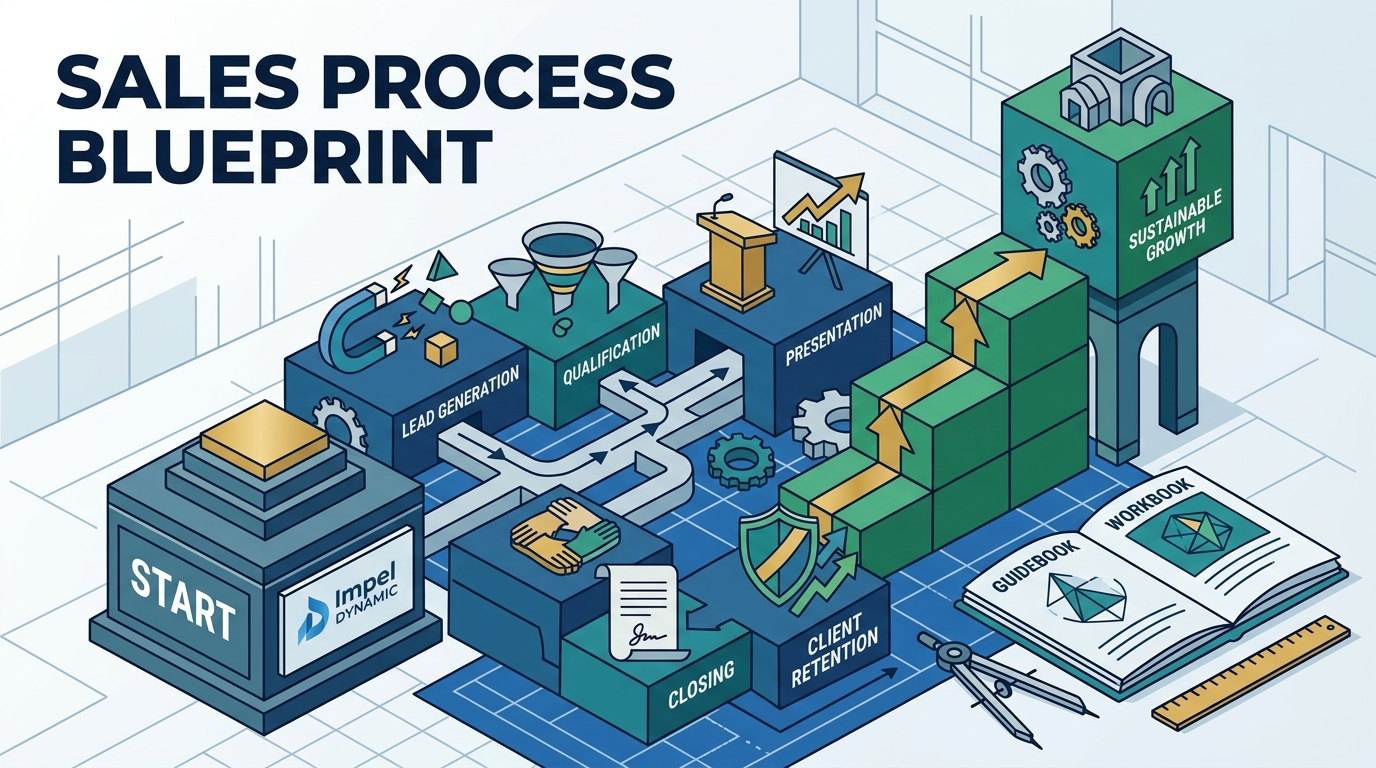
A robust sales process typically includes prospecting, qualification, needs analysis, presentation, handling objections, and closing. Each stage requires specific skills and strategies to be executed effectively.
Can sales training help with team retention?
Yes, investing in your team's development demonstrates a commitment to their growth. This can significantly improve job satisfaction and reduce turnover, as employees feel valued and equipped to succeed.
Next Steps
Ready to transform your sales performance? Impel Dynamic offers proven methods and immediate results for businesses looking to accelerate their growth. With a 99% client satisfaction rate and over 25 years of experience, we are the leading UK sales training provider. Book a call today to discuss how our tailored programmes can help your business win more business and create scalable sales processes.