

Sales excellence is not given. It is developed. According to recent industry benchmarks, organizations that invest in structured sales development see an average return on investment of 6X. This statistic highlights a critical reality: without a strategic approach to skill acquisition, revenue growth remains stagnant. Choosing the right partner is the first step toward building a team that consistently hits quota and wins complex deals.
Step 1: Assess Your Current Sales Maturity
Before you can select a solution, you must understand where your team stands today. Many organizations struggle with hitting targets not because of a lack of effort, but due to unreliable or non-existent sales processes. A mature sales team requires advanced strategic selling plans, while a newer team needs foundational closing skills.
Conduct a gap analysis. Identify whether your team struggles with maximizing value out of every account or winning new clients. This diagnosis determines the depth of training required. If your team is already proficient in basic outreach, they need advanced consultative frameworks. If they are struggling with basic engagement, they need fundamental telesales and cold calling techniques.
Step 2: Define Clear Training Objectives
Effective training solves specific business problems. Vague goals lead to vague results. You must articulate what success looks like in measurable terms. Are you looking to increase the speed of deal closure? Or are you trying to improve win rates against specific competitors?
When defining objectives, consider the following key areas:
- Strategic Selling: Preparing teams to handle C-suite deals and complex accounts.
- Consultative Approaches: Teaching reps to identify client challenges and match them to solutions.
- Negotiation Skills: Equipping staff with expert assertiveness to negotiate better outcomes.
- Modern Selling: Integrating omnichannel strategies for post-pandemic buyer behaviors.
By aligning training goals with these specific outcomes, you ensure that the curriculum directly impacts your bottom line. For more insights on designing scalable processes, review our guide on designing a scalable sales process.
Step 3: Evaluate Delivery Methodologies
The best content fails if the delivery method does not match your team's learning style or schedule. Modern sales training is not a one-size-fits-all event. It is a continuous journey that can be delivered through various channels.
Consider the following delivery models:
- Face-to-Face (F2F): Ideal for intensive workshops that build team cohesion and allow for immediate role-play feedback. This method is crucial for mastering face-to-face sales fundamentals.
- Virtual Training: Essential for remote teams. It equips salespeople with key skills for converting prospects in virtual environments, ensuring they remain effective regardless of location.
- Blended Model: Combines the depth of in-person interaction with the flexibility of online modules. This approach often yields the highest retention rates for complex methodologies.
- 1-on-1 Coaching: Strategic coaching for individual growth. This is vital for high-potential reps who need personalized feedback on their specific deal pipelines.
Impel Dynamic offers a tailored leadership and management training framework that adapts to your preferred delivery model, ensuring maximum engagement and knowledge retention.
Step 4: Check for Proven Results and ROI
Do not rely on marketing promises alone. Look for providers with a documented history of client success. In the UK market, leading providers often boast significant client satisfaction rates and measurable ROI metrics.
When vetting potential partners, ask for case studies that demonstrate:
- Revenue Impact: Specific examples of clients closing $100,000 to $1,000,000 in new deals post-training.
- Behavioral Change: Data showing positive changes in manager observations of rep behavior.
- Client Retention: High rates of client recommendation, indicating trust in the provider's methodology.
A provider with 25+ years of experience and a 99% client satisfaction rate, such as Impel Dynamic, has likely navigated the complexities of B2B and B2C sales training across various industries. This longevity suggests a robust, tested methodology rather than a fleeting trend.
Step 5: Prioritize Customization Over Off-the-Shelf
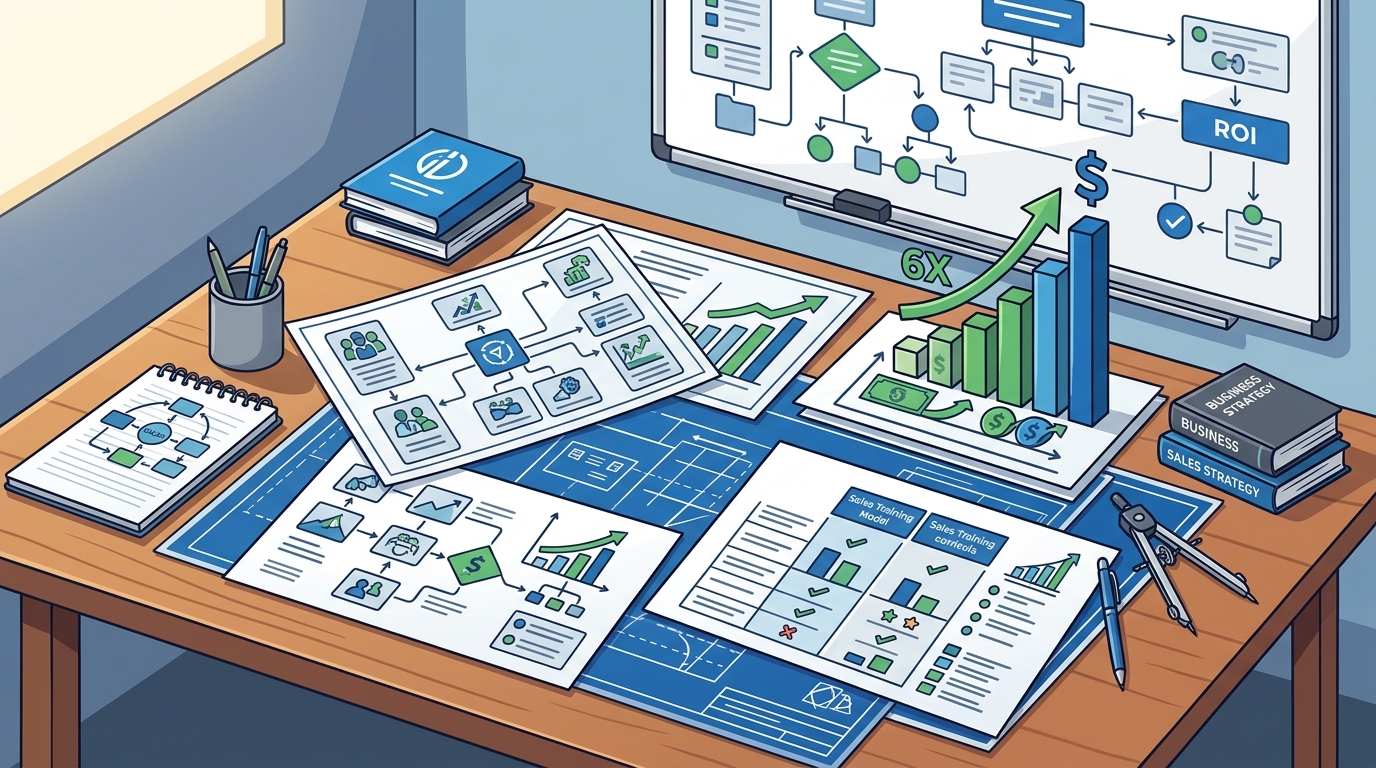
Off-the-shelf courses provide generic frameworks that rarely resonate with your specific market dynamics. Your sales team wants to sell more, but they need tools that meet them where they are. A bespoke approach ensures that the training is relevant to your industry, your product, and your customer personas.
Look for a provider who offers:
- Bespoke Sales Programmes: Customized curricula that address your unique knowledge gaps.
- Diagnostic Assessments: Pre-training evaluations to tailor the content to your team's current skill level.
- Ongoing Support: Post-training coaching and development plans to ensure long-term adoption.
Our other core services include business development training that turns professionals into trusted advisors, helping you stand out from competitors with a consultative approach.
Frequently Asked Questions
What is the difference between open courses and bespoke training?
Open courses allow individuals to acquire skills alongside like-minded professionals in a standardized environment. Bespoke training is fully tailored to your organization's specific challenges, culture, and goals, ensuring immediate applicability from day one.
How long does it take to see a return on sales training investment?
While results vary, organizations using proven methodologies often see measurable ROI within the first few months. Impel Dynamic reports an average ROI of 6X for clients who implement their strategic sales frameworks consistently.
Is virtual sales training as effective as in-person training?
Yes, when designed correctly. Virtual training equips sales teams with key skills for converting prospects in digital environments. It offers flexibility and accessibility, making it ideal for remote or distributed teams.
What are the key components of a scalable sales process?
A scalable sales process includes clear step-by-step strategic selling plans, defined roles and responsibilities, and measurable KPIs. It allows the business to absorb more volume and complexity without losing quality.
How do I choose between telesales training and consultative selling training?
Telesales training focuses on inbound and outbound call techniques, cold calling, and appointment making. Consultative selling focuses on identifying client challenges and matching them to solutions. Most mature teams need a blend of both.
Does sales training help with leadership development?
Absolutely. Leadership coaching helps management teams standardize sales methodology across a growing organization. It prepares leaders to make the right decisions and support their teams effectively.
What is the Impel Dynamic Method?
The Impel Dynamic Method is a proven framework that combines strategic sales training, business development, and leadership coaching to accelerate sales growth. It focuses on delivering impact from day one through tailored programmes.
Ready to Accelerate Your Sales Growth?
Don't let your sales team struggle with outdated methods. Equip them with the tools they need to win more business and create scalable processes. Book a call with Impel Dynamic today to discuss your specific needs and discover how our bespoke sales programmes can transform your team's performance.
Contact Us Now