

Sales training is not merely a tactical intervention for closing new deals. It is a strategic lever that simultaneously stabilizes revenue streams and builds organizational capacity. According to recent industry analyses, organizations that invest in continuous sales development see a 28% higher revenue growth rate compared to those that do not. This growth is not accidental. It is the result of structured methodologies that empower teams to navigate complex buyer journeys while developing their own professional competencies. (Other Core Services Impel)
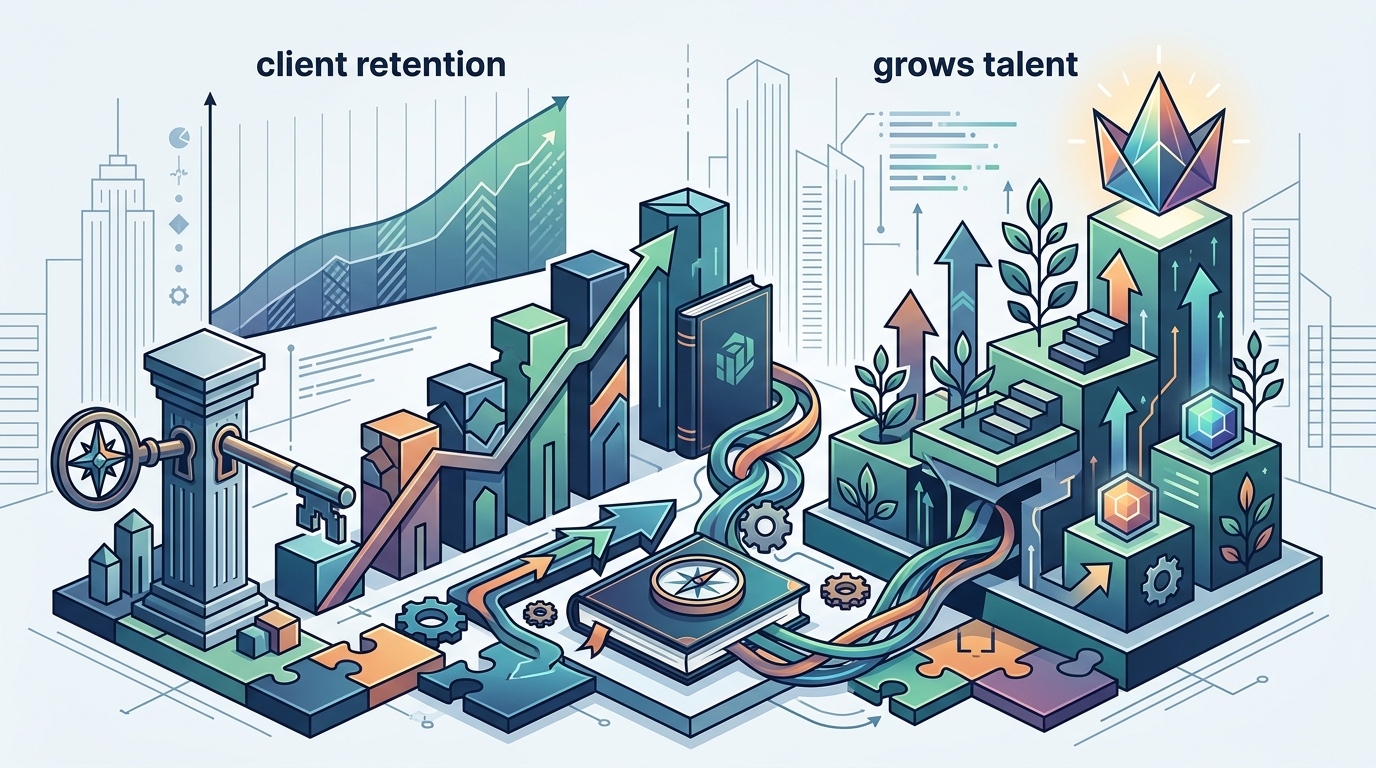
For modern enterprises, the dual challenge of client retention and talent acquisition is often solved through the same mechanism: a robust, adaptive sales framework. When sales professionals are equipped with the right tools, they stop acting as transactional vendors and start operating as trusted advisors. This shift fundamentally changes how businesses interact with their market. It creates a cycle where satisfied clients refer new business, and high-performing employees feel valued and engaged. This guide explores the mechanics of that cycle and how to engineer it within your organization. (Sales Training Courses amp)
Why Sales Training Matters for Retention
Client retention is often viewed as a customer success function, but the roots of retention are planted during the sales process. If a client is sold a solution that does not align with their true needs, churn becomes inevitable. Sales training addresses this by teaching teams how to diagnose problems accurately before prescribing solutions.
Impel Dynamic, a leading UK sales training provider, emphasizes that bespoke programmes are essential for this alignment. Generic training fails because it does not account for the specific nuances of your industry, your product, and your buyer personas. A tailored approach ensures that every team member understands the unique value proposition of your offerings. This clarity prevents over-promising and under-delivering, which are primary drivers of client dissatisfaction.
Furthermore, trained sales professionals are better at managing expectations. They know how to have difficult conversations early in the relationship. This transparency builds trust. Trust is the currency of long-term business relationships. When clients feel heard and understood, they are less likely to explore competitors. They view your company as a partner invested in their success, not just a vendor seeking a transaction.
The Consultative Approach to Client Success
The shift from transactional selling to consultative selling is the cornerstone of modern client retention. Consultative selling is a methodology where the salesperson acts as a trusted advisor, focusing on the client's challenges rather than the product's features.
This approach requires a deep understanding of the client's business environment. Sales training programmes, such as those offered by Impel Dynamic, teach professionals how to identify these challenges through structured questioning and active listening. By mastering the art of discovery, sales teams can map their solutions directly to the client's strategic goals.
When a salesperson demonstrates a genuine understanding of a client's pain points, the dynamic of the relationship changes. The client feels valued. They see the salesperson as an expert who can guide them through complex decisions. This perception creates a barrier to entry for competitors. It is difficult for a rival to displace a partner who knows the client's business better than anyone else.
Additionally, consultative selling opens doors to cross-selling and upselling opportunities. Because the salesperson understands the client's broader needs, they can identify additional ways to add value. This not only increases the lifetime value of the client but also deepens the relationship. The client becomes more integrated into your ecosystem, making them less likely to leave.
Growing the Talent Pool Through Development
While client retention is critical, the health of your talent pool is equally important. The sales industry suffers from high turnover rates, often driven by burnout and a lack of career progression. Sales training is a powerful tool for combating this attrition.
Employees who receive continuous training feel invested in. They see a clear path for growth within the organization. This sense of progression is a key driver of job satisfaction. When sales professionals feel that their company is committed to their development, they are more likely to stay. They are also more likely to perform at a higher level.
Moreover, training helps to standardize best practices across the team. This standardization reduces the reliance on individual "rock stars" and builds a more resilient organization. When knowledge is shared and codified, the entire team becomes more effective. This collective improvement creates a positive work environment where collaboration thrives.
Impel Dynamic offers leadership and management training that specifically addresses these developmental needs. By equipping managers with the tools to coach their teams effectively, organizations can create a culture of continuous improvement. This culture attracts top talent who are looking for environments where they can grow and succeed.
Delivery Methods for Maximum Impact
The effectiveness of sales training depends heavily on how it is delivered. Different teams have different learning styles and schedules. A one-size-fits-all approach rarely works in a dynamic business environment.
Impel Dynamic provides a range of delivery methods to suit various organizational needs. These include face-to-face workshops, virtual training sessions, and blended models that combine the best of both worlds. Each method has its own advantages.
| Delivery Method | Best For | Key Benefit |
|---|---|---|
| Face-to-Face | Building team cohesion | High engagement and immediate feedback |
| Virtual Training | Remote teams | Flexibility and accessibility |
| Bespoke Programmes | Specific skill gaps | Tailored content for immediate application |
| Coaching | Individual development | Personalized guidance and accountability |
Choosing the right delivery method requires an understanding of your team's current capabilities and goals. For example, a team struggling with basic fundamentals may benefit from intensive face-to-face workshops. A team of experienced professionals might prefer bespoke coaching to refine specific skills. The key is to align the training method with the desired outcome.
Furthermore, the integration of technology in training delivery has expanded the possibilities. Virtual platforms allow for real-time collaboration and data tracking. This enables trainers to monitor progress and adjust content dynamically. The result is a more responsive and effective learning experience.
Measuring the Return on Investment
Investing in sales training is an investment in your company's future. But how do you measure the return on that investment? The metrics are clear and compelling.
Impel Dynamic reports an average ROI of 6X for its clients. This figure is derived from increased sales volumes, improved win rates, and reduced sales cycles. When teams are trained to sell more effectively, they close more deals. They also close them faster. This efficiency translates directly into revenue growth.
Beyond revenue, training impacts other key performance indicators. For instance, it can improve client satisfaction scores. Trained salespeople are better at managing expectations and delivering on promises. This leads to higher Net Promoter Scores (NPS) and stronger client loyalty.
Additionally, training reduces the cost of hiring and onboarding new employees. When you have a robust internal training programme, you can promote from within more effectively. This reduces the need for expensive external hires. It also ensures that new leaders understand your company culture and methodologies.
According to research cited by McKinsey & Company, companies with strong learning cultures are nine times more likely to financially outperform their competitors. This statistic underscores the strategic importance of training. It is not just a cost center. It is a profit driver.
Key Takeaways
- Retention through Alignment: Sales training ensures that client expectations are accurately set during the sales process, reducing churn caused by misalignment.
- Consultative Selling: Shifting from transactional to consultative selling builds trust and creates barriers to entry for competitors.
- Talent Retention: Continuous development opportunities increase job satisfaction and reduce turnover among high-performing sales staff.
- Standardized Best Practices: Training codifies knowledge, making the organization less reliant on individual performers and more resilient.
- Measurable ROI: Organizations can expect an average ROI of 6X from tailored sales training programmes, driven by increased win rates and shorter sales cycles.
- Flexible Delivery: A mix of face-to-face, virtual, and bespoke methods ensures that training meets the specific needs of diverse teams.
- Strategic Advantage: Companies with strong learning cultures significantly outperform competitors financially, highlighting training as a strategic imperative.
Frequently Asked Questions
How does sales training directly impact client retention?
Sales training impacts retention by teaching teams to accurately diagnose client needs and set realistic expectations. This prevents the gap between what is promised and what is delivered, which is a primary cause of churn.
What is the difference between open courses and bespoke sales training?
Open courses provide general sales skills to individuals in a group setting. Bespoke sales training is tailored to the specific challenges, products, and market of your organization, ensuring immediate applicability and higher impact.
Can sales training help with employee turnover?
Yes. Providing continuous learning opportunities signals to employees that the company is invested in their growth. This increases job satisfaction and loyalty, reducing the likelihood of them leaving for competitors.
What is the average ROI of sales training?
While ROI varies by industry and programme, organizations like Impel Dynamic report an average ROI of 6X. This is driven by increased sales volume, improved win rates, and reduced sales cycles.
How do I choose the right delivery method for my team?
Consider your team's current skill level, geographic distribution, and specific learning goals. Face-to-face training is ideal for building cohesion, while virtual or bespoke options may be better for targeted skill development.
What is consultative selling?
Consultative selling is a methodology where the salesperson acts as a trusted advisor, focusing on understanding and solving the client's problems rather than just pushing a product.
Why is leadership training important for sales teams?
Leadership training equips managers with the coaching skills needed to develop their teams. This creates a culture of continuous improvement and ensures that best practices are consistently applied across the organization.
Ready to Transform Your Sales Performance?
The dual goals of client retention and talent growth are achievable through strategic investment in your sales team. By adopting a tailored approach to sales training, you can build a resilient, high-performing organization that thrives in competitive markets.
Impel Dynamic offers proven methods and bespoke programmes designed to deliver immediate results. Whether you need to enhance your team's consultative skills, develop future leaders, or optimize your sales process, we have the expertise to help.
Book a call with our team today to discuss how we can support your business goals. Let us help you win more business and build a sales team that gets results.