

Spin selling is a consultative sales methodology that uses four specific question types to uncover buyer needs. Top UK sales teams use it because it shifts conversations from feature-pitching to problem-solving, which builds trust and increases close rates in complex B2B environments.
The Origin and Structure
Spin selling was developed by Neil Rackham in the 1980s based on extensive research into successful sales calls. The methodology is structured around a specific sequence of questions designed to guide the buyer toward a solution. It is not a rigid script but a framework for thinking about the sales conversation.
The core premise is that successful salespeople ask different questions than unsuccessful ones. Rackham’s research analyzed thousands of sales calls to identify patterns in high-performing interactions. This data-driven approach distinguishes spin selling from intuition-based sales techniques.
Why UK Teams Adopt It
UK sales teams often operate in highly competitive and relationship-driven markets. Spin selling provides a structured way to navigate these complex buying cycles. It helps sales professionals move beyond superficial conversations and address the deeper business challenges their prospects face.
In sectors like financial services and technology, buyers are sophisticated and skeptical of traditional hard-sell tactics. A consultative approach that demonstrates genuine understanding of the buyer’s situation is more effective. Spin selling equips teams with the tools to build credibility and trust early in the sales process.
The Four Question Categories
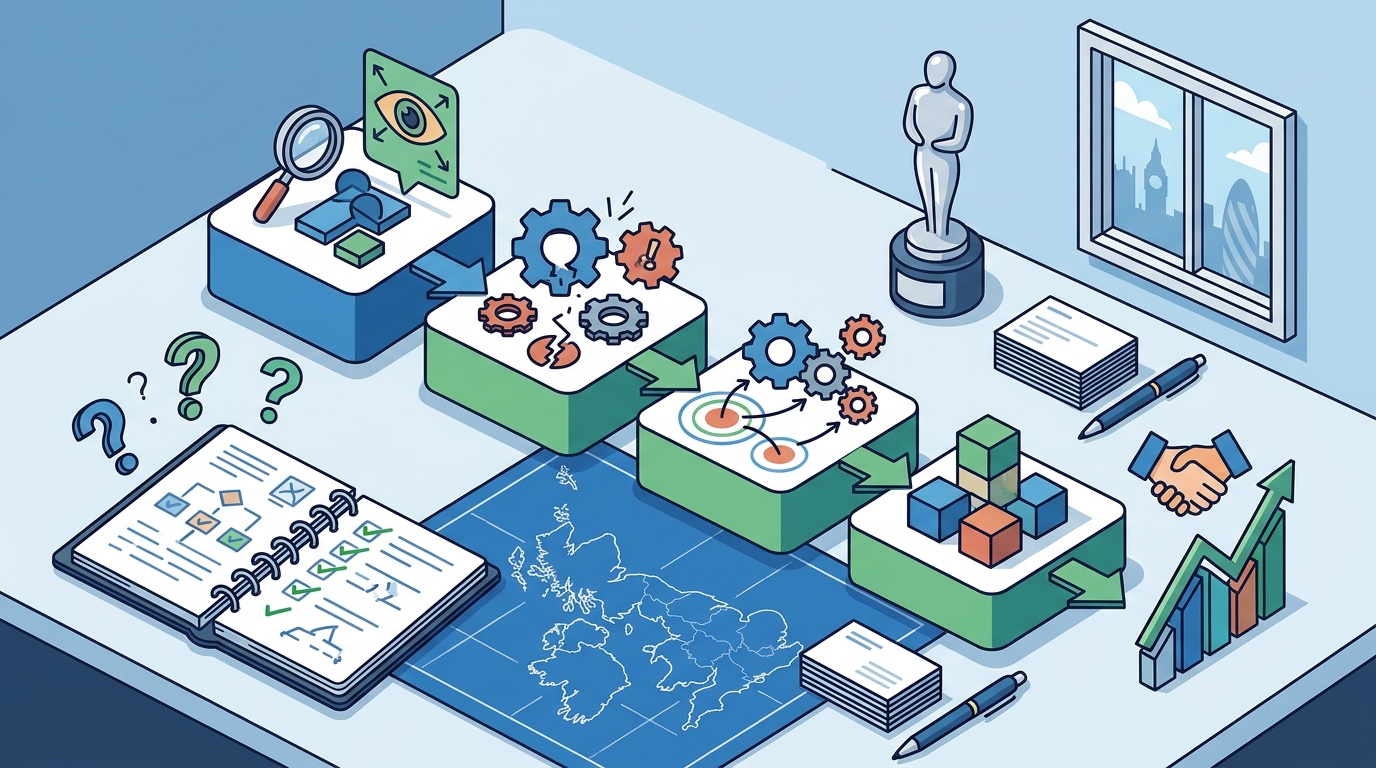
The methodology is built on four types of questions: Situation, Problem, Implication, and Need-payoff. Each category serves a distinct purpose in the sales dialogue.
Situation Questions
Situation questions gather basic facts about the buyer’s current environment. They help the salesperson understand the context in which the buyer operates. However, asking too many of these can feel like an interrogation.
Problem Questions
Problem questions identify specific difficulties or dissatisfactions the buyer is experiencing. These questions uncover the pain points that the product or service can address. They shift the conversation from generalities to specific issues.
Implication Questions
Implication questions explore the consequences of the problems identified. They help the buyer understand the cost of inaction. This is often the most powerful part of the spin selling framework, as it increases the perceived urgency of finding a solution.
Need-payoff Questions
Need-payoff questions focus on the benefits of solving the problem. They help the buyer visualize the positive outcomes of adopting the solution. This category bridges the gap between the problem and the proposed solution.
Implementation in B2B
Implementing spin selling requires practice and discipline. Sales teams must learn to listen actively and ask open-ended questions. It is not about memorizing a list of questions but about understanding the logic behind the framework.
Training programs often include role-playing exercises to help salespeople internalize the technique. Feedback and coaching are essential for refining question skills. Over time, the framework becomes second nature, allowing sales professionals to adapt it to different industries and buyer personas.
Common Mistakes
One common mistake is asking too many situation questions. This can bore the buyer and waste valuable time. Sales professionals should rely on research to gather basic facts before the call.
Another error is skipping implication questions. Without exploring the consequences of the problem, the buyer may not feel a strong enough need for the solution. This weakens the sales pitch and reduces the likelihood of a close.
Key Takeaways
- Spin selling is a research-based consultative sales methodology.
- Top UK teams use it to build trust in complex B2B markets.
- Implication questions are critical for creating urgency.
- Successful implementation requires active listening and practice.
- The framework helps shift conversations from features to benefits.
Frequently Asked Questions
Who created spin selling?
Neil Rackham created spin selling based on his research at the University of Newcastle upon Tyne.
Is spin selling only for B2B sales?
While most effective in B2B, the principles can be applied to complex B2C sales as well.
How long does it take to learn spin selling?
It typically takes several months of practice and coaching to master the technique.
Can spin selling be used in cold calling?
Yes, but it requires adaptation to build rapport quickly in shorter conversations.
What is the main benefit of spin selling?
The main benefit is increased close rates through deeper buyer engagement and trust.
Conclusion
Spin selling remains a valuable framework for sales professionals seeking to improve their consultative skills. By focusing on the buyer’s problems and the implications of those problems, sales teams can build stronger relationships and achieve better results. For organizations looking to enhance their sales capabilities, sales training courses from Impel Dynamic provide the expert guidance needed to develop these critical skills. Learn more: Contact Us Get in.