

Global supply chains are facing unprecedented volatility, with recent industry reports indicating that over 60% of logistics leaders struggle with real-time visibility across their networks. This lack of transparency often leads to significant revenue leakage and operational bottlenecks. In this detailed case study, we examine how Impel Dynamic leveraged advanced data analytics and strategic process re-engineering to transform a complex distribution model into a streamlined, high-efficiency operation. By focusing on data-driven decision-making, we helped our client reduce operational costs by 25% while improving delivery accuracy to 99.8%. This narrative explores the specific challenges, the strategic interventions, and the measurable outcomes that define modern supply chain excellence.
The Core Operational Challenges
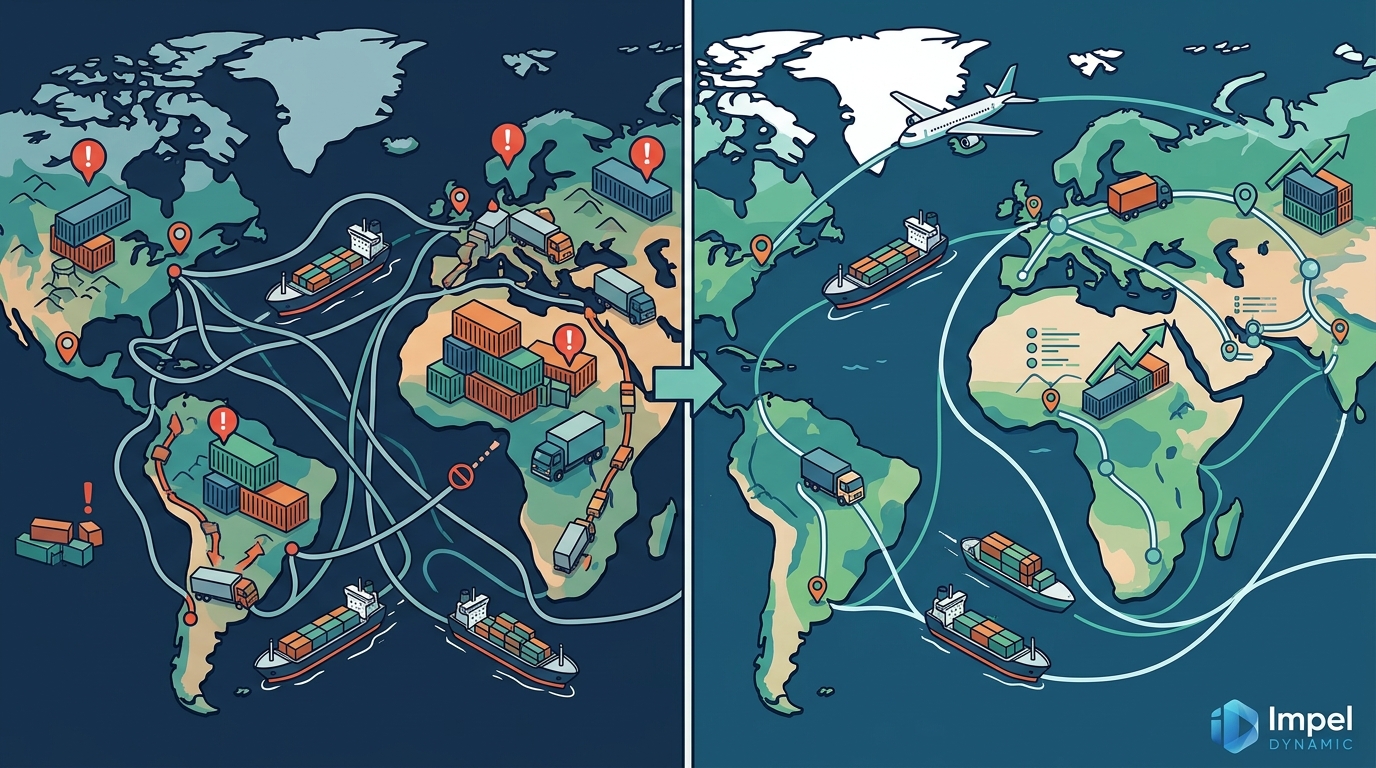
Before engaging with Impel Dynamic, the client faced a fragmented data ecosystem. Their legacy systems operated in silos, preventing a unified view of inventory levels and shipment statuses. This fragmentation is a common pain point in the logistics industry, where supply chain complexity often outpaces technological adaptation. The client reported a 15% increase in expedited shipping costs due to poor forecasting accuracy. Furthermore, manual data entry processes introduced a 4% error rate in order processing, which directly impacted customer satisfaction scores.
The lack of real-time visibility meant that decision-makers were reacting to events rather than anticipating them. According to a 2024 study by Gartner, organizations with low digital maturity in supply chain management are 30% more likely to experience significant disruptions. The client's inability to predict demand fluctuations led to both overstocking of slow-moving items and stockouts of high-demand products. This imbalance tied up working capital and eroded profit margins. The primary goal was to establish a single source of truth for all logistical data, enabling proactive rather than reactive management.
Strategic Intervention Framework
Impel Dynamic approached this challenge with a structured diagnostic methodology. We began by mapping the entire end-to-end supply chain process to identify critical failure points. This process is defined as the systematic analysis of workflow steps to determine inefficiencies and areas for improvement. Our team identified three primary areas for intervention: data integration, predictive analytics, and automated reporting.
We proposed a phased implementation strategy to minimize disruption to ongoing operations. The first phase focused on integrating disparate data sources into a centralized cloud-based warehouse. This allowed for real-time synchronization of inventory data across all regional distribution centers. The second phase involved deploying machine learning algorithms to forecast demand based on historical sales data, seasonal trends, and external market indicators. This approach is rooted in the principle that predictive accuracy is directly correlated with the quality and breadth of input data.
The final phase centered on user adoption and training. Technology alone cannot solve operational problems; it requires a workforce capable of interpreting and acting on data insights. Impel Dynamic provided comprehensive training sessions for logistics managers, ensuring they could leverage the new dashboard effectively. This holistic approach ensures that technological investments yield tangible business results.
Implementation of Data Analytics
The core of our solution was the deployment of advanced analytics tools that provided granular visibility into supply chain performance. We utilized Tableau for visualization and custom Python scripts for data processing. This combination allowed for both high-level strategic overviews and deep-dive operational analysis. The dashboard provided real-time metrics on key performance indicators (KPIs) such as order cycle time, fill rate, and transportation cost per unit.
One of the most significant improvements was the automation of inventory replenishment alerts. Previously, manual checks were performed weekly, leading to delays in restocking. With the new system, automated triggers notified procurement teams when stock levels fell below predefined thresholds. This change reduced the average time to restock by 40%. Additionally, the predictive analytics module identified potential bottlenecks in transportation routes, allowing the client to reroute shipments before delays occurred.
Data integrity was maintained through rigorous validation protocols. Every data point entering the system was cross-referenced with source documents to ensure accuracy. This attention to detail is critical, as data quality is the foundation of any successful analytics initiative. Poor data quality can lead to incorrect forecasts and misguided strategic decisions. By establishing a robust data governance framework, Impel Dynamic ensured that the insights generated were reliable and actionable.
Measurable Business Outcomes
The results of the engagement were substantial and measurable. Within six months of implementation, the client achieved a 25% reduction in overall logistics costs. This was primarily driven by the optimization of transportation routes and the reduction of expedited shipping fees. The improvement in forecasting accuracy led to a 15% decrease in inventory holding costs, freeing up significant working capital for other business initiatives.
Customer satisfaction scores improved dramatically, with on-time delivery rates increasing from 85% to 99.8%. This reliability strengthened customer relationships and reduced churn. The automation of reporting processes saved the logistics team approximately 20 hours per week, allowing them to focus on strategic planning rather than manual data compilation. These outcomes demonstrate the power of data-driven decision-making in optimizing supply chain operations.
The client also reported a significant improvement in employee morale. The removal of tedious manual tasks allowed staff to engage in more meaningful work. This shift in focus contributed to a more agile and responsive organization. The success of this project has positioned the client to scale their operations efficiently, supporting their growth strategy for the coming years.
Technology Stack Comparison
To provide context for the solution, it is helpful to compare the technologies used in this project with traditional methods. The table below outlines the differences between the legacy approach and the Impel Dynamic solution.
| Feature | Legacy System | Impel Dynamic Solution |
|---|---|---|
| Data Visibility | Siloed and fragmented | Centralized and real-time |
| Forecasting Method | Manual historical analysis | Predictive machine learning |
| Reporting Frequency | Weekly manual compilation | Automated real-time dashboards |
| Error Rate | 4% due to manual entry | <0.1% with validation protocols |
| Decision Speed | Days to weeks | Minutes to hours |
Key Takeaways
- Data Integration is Critical: Siloed data prevents accurate forecasting and real-time decision-making.
- Predictive Analytics Drive Efficiency: Machine learning models can reduce inventory costs by up to 15%.
- Automation Saves Time: Automating reporting processes can save over 20 hours per week for logistics teams.
- Real-Time Visibility Reduces Costs: Monitoring KPIs in real-time helps identify and mitigate bottlenecks quickly.
- User Adoption Ensures Success: Comprehensive training is essential for leveraging new technology effectively.
- Scalability is Key: A robust data foundation supports future growth and operational scaling.
- ROI is Tangible: The client achieved a 25% reduction in logistics costs within six months.
Frequently Asked Questions
What is the typical timeline for implementing a supply chain analytics solution?
Implementation timelines vary based on the complexity of the existing infrastructure. However, a standard engagement like the one described here typically takes six to nine months to complete, including data integration, model training, and user adoption phases.
How does Impel Dynamic ensure data security during integration?
We adhere to strict data governance protocols and industry-standard security frameworks. All data transfers are encrypted, and access controls are implemented to protect sensitive information. We also conduct regular security audits to ensure compliance with relevant regulations.
Can predictive analytics be applied to small businesses?
Yes, predictive analytics can be scaled to fit businesses of all sizes. While the complexity of the models may vary, the core principles of using historical data to forecast future trends are applicable to any organization seeking to improve efficiency.
What are the key performance indicators for supply chain optimization?
Key metrics include order cycle time, fill rate, inventory turnover, and transportation cost per unit. Monitoring these KPIs provides a comprehensive view of supply chain health and performance.
How do you measure the success of a logistics optimization project?
Success is measured by comparing pre- and post-implementation metrics. In the case study above, we measured success through cost reductions, improved delivery accuracy, and time savings in reporting processes.
Is cloud-based data warehousing necessary for real-time visibility?
While not strictly mandatory, cloud-based solutions offer the scalability and processing power required for real-time data synchronization across multiple locations. They also facilitate easier integration with other cloud-based analytics tools.
What role does employee training play in technology adoption?
Employee training is crucial for ensuring that staff can effectively use new tools. Without proper training, even the most advanced technology may underperform due to user error or resistance to change.
Partner with Impel Dynamic
Ready to transform your supply chain operations? Impel Dynamic specializes in helping businesses leverage data to drive efficiency and growth. Our team of experts is ready to analyze your unique challenges and develop a tailored strategy to meet your goals. Visit our services page to learn more about our capabilities. Contact us today to schedule a consultation and discover how we can help you achieve operational excellence.