

Dynamic Sales Strategies for B2B Growth
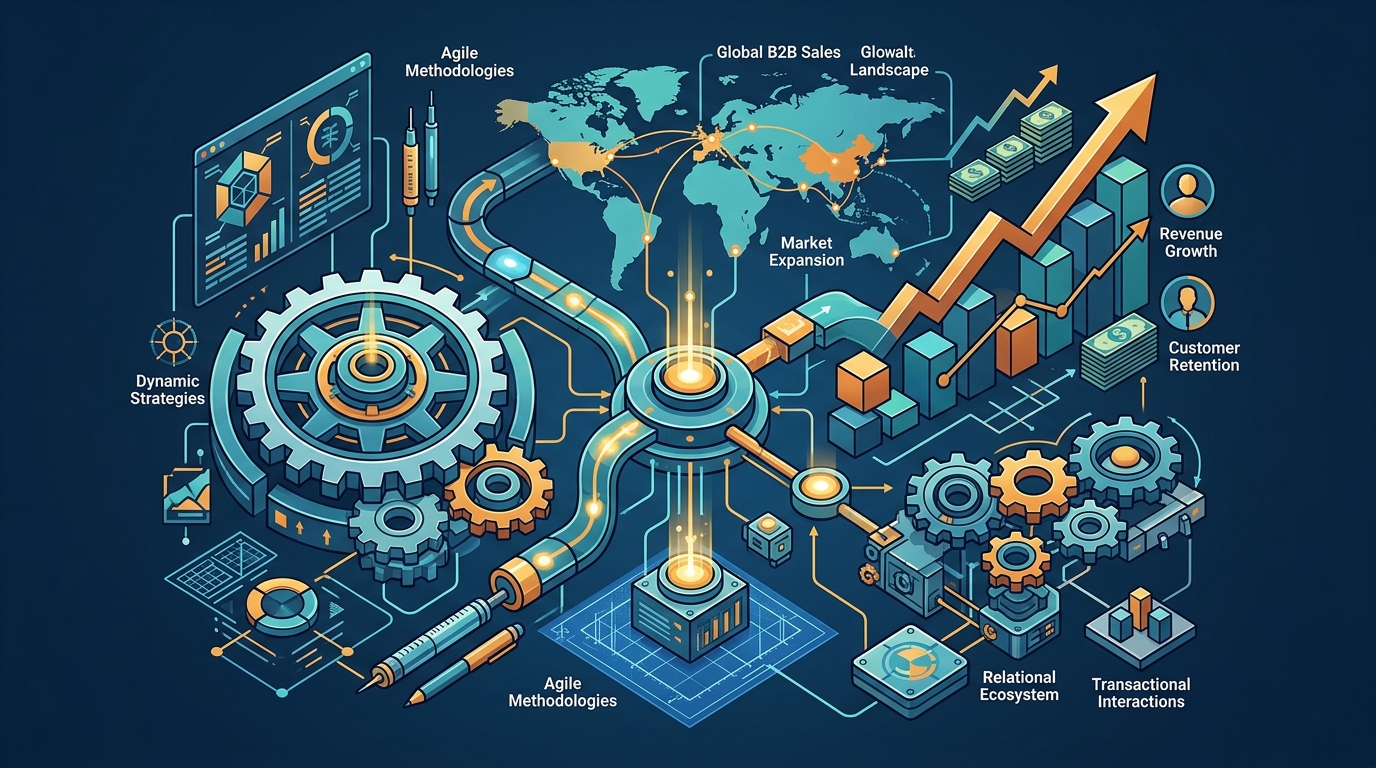
The global B2B sales landscape is undergoing a seismic shift. According to recent industry analysis, companies that adopt agile, data-driven sales methodologies outperform their static counterparts by a significant margin in revenue growth and customer retention. This is not merely a trend but a fundamental restructuring of how value is communicated and delivered in complex markets. Organizations must pivot from transactional interactions to relational ecosystems to survive and thrive in this new economy.
Understanding Dynamic Sales
Dynamic sales is not a single tactic but a holistic approach to revenue generation. It relies on real-time data, adaptive communication, and continuous feedback loops. In traditional models, sales teams followed rigid scripts and fixed timelines. In dynamic environments, the path to closure is fluid and responsive to buyer signals.
At its core, dynamic sales is the practice of adjusting sales tactics in real-time based on buyer behavior, market conditions, and data analytics. This definition highlights the necessity of agility in modern commerce. Buyers today are more informed than ever before. They research extensively before engaging with a vendor. Therefore, sales professionals must be prepared to provide immediate, relevant value at every touchpoint.
The implications of this shift are profound. Companies that fail to adapt risk losing market share to competitors who can offer faster, more personalized experiences. The cost of inaction is measured in lost opportunities and diminished brand authority. To remain competitive, businesses must integrate technology and human insight seamlessly.
Key Strategies for Implementation
Implementing dynamic sales requires a multi-faceted approach. It begins with a deep understanding of the customer journey. This involves mapping out every interaction a potential client has with your brand. From initial awareness to post-sale support, each stage offers opportunities for engagement and optimization.
Personalization at Scale
One of the most critical components of dynamic sales is personalization. This goes beyond addressing a prospect by their first name. It involves tailoring content, offers, and communication channels to match individual preferences and pain points. According to recent marketing studies, personalized experiences can lead to a substantial increase in customer satisfaction and loyalty. Brands that leverage data to deliver relevant content see higher conversion rates and longer customer lifecycles.
Agile Forecasting
Traditional forecasting methods often rely on historical data and static assumptions. Dynamic sales utilizes predictive analytics to forecast outcomes with greater accuracy. This allows sales leaders to adjust strategies proactively rather than reactively. By identifying potential bottlenecks early, teams can allocate resources more effectively and close deals faster.
Continuous Learning
The market is constantly evolving. New technologies, competitor moves, and economic shifts require sales teams to be perpetual learners. Organizations must foster a culture of continuous improvement. This includes regular training, knowledge sharing, and performance reviews. Teams that prioritize learning are better equipped to handle complex sales cycles and build stronger client relationships.
The Technology Stack
Technology is the backbone of dynamic sales. Without the right tools, it is impossible to collect, analyze, and act on data at scale. A robust tech stack enables sales teams to automate routine tasks, gain insights into buyer behavior, and streamline communication.
| Tool Category | Function | Impact on Sales |
|---|---|---|
| CRM Systems | Centralize customer data | Improves visibility and pipeline management |
| Analytics Platforms | Process behavioral data | Enables predictive forecasting |
| Communication Tools | Facilitate real-time interaction | Enhances engagement and response times |
| Automation Software | Streamline repetitive tasks | Increases team efficiency and focus |
Choosing the right tools depends on your specific business needs. It is essential to integrate these platforms to ensure data flows seamlessly across your organization. Siloed data leads to fragmented insights and missed opportunities. For more information on selecting the right CRM for your business, visit our CRM Solutions page.
Measuring Success
To ensure your dynamic sales strategy is working, you must track the right metrics. Key performance indicators (KPIs) provide a clear picture of your team's effectiveness. These metrics should align with your broader business goals and reflect the health of your sales pipeline.
Common KPIs include conversion rates, average deal size, sales cycle length, and customer acquisition cost. Monitoring these metrics allows you to identify areas for improvement and celebrate successes. For example, a decrease in sales cycle length indicates improved efficiency and faster time-to-revenue. According to industry benchmarks, companies that actively monitor and optimize these KPIs see a significant boost in overall profitability.
Regular reporting and analysis are crucial. Sales leaders should review performance data weekly or monthly to adjust strategies as needed. This iterative process ensures that your sales efforts remain aligned with market demands and customer expectations. For insights on optimizing your sales pipeline, check out our Sales Pipeline Optimization guide.
Key Takeaways
- Dynamic sales relies on real-time data and adaptive tactics to meet evolving buyer needs.
- Personalization at scale is essential for building trust and driving conversions in B2B markets.
- Agile forecasting uses predictive analytics to improve accuracy and resource allocation.
- A integrated technology stack is critical for automating tasks and gaining actionable insights.
- Continuous learning fosters a culture of improvement and adaptability within sales teams.
- Measuring success requires tracking specific KPIs such as conversion rates and sales cycle length.
- Impel Dynamic provides specialized consulting to help businesses implement these strategies effectively.
Frequently Asked Questions
What is the difference between dynamic sales and traditional sales?
Dynamic sales is adaptive and data-driven, responding to real-time buyer signals. Traditional sales is often rigid, relying on fixed scripts and historical data without immediate feedback loops.
How can I implement personalization in my sales process?
Use CRM data to segment your audience and tailor content to their specific pain points. Leverage automation tools to deliver personalized messages at scale across multiple channels.
What technology is essential for dynamic sales?
Essential tools include a robust CRM, predictive analytics platforms, communication software, and automation tools. These systems must be integrated to ensure seamless data flow.
How do I measure the success of a dynamic sales strategy?
Track KPIs such as conversion rates, average deal size, sales cycle length, and customer acquisition cost. Regular analysis of these metrics will reveal areas for improvement.
Why is continuous learning important for sales teams?
The market is constantly changing. Continuous learning ensures that sales professionals stay updated on new technologies, methodologies, and customer preferences, maintaining their competitive edge.
Can small businesses benefit from dynamic sales?
Yes. Small businesses can leverage dynamic sales to compete with larger competitors by offering more personalized and responsive service. It levels the playing field by focusing on efficiency and customer experience.
What role does AI play in dynamic sales?
AI enhances dynamic sales by automating data analysis, predicting buyer behavior, and suggesting next-best actions. It allows sales teams to focus on high-value interactions rather than manual tasks.
Next Steps
Ready to transform your sales operations? Impel Dynamic specializes in helping businesses navigate the complexities of modern sales. Our team of experts can help you implement dynamic strategies that drive growth and efficiency. Contact us today to schedule a consultation and discover how we can support your success. Visit our Contact Page to get started.