

The global logistics industry is currently navigating a period of unprecedented volatility, characterized by fluctuating fuel costs, labor shortages, and shifting consumer expectations for rapid delivery. According to recent industry analyses, supply chain disruptions cost businesses an average of $1.8 trillion annually in lost revenue and operational inefficiencies. This financial pressure has forced enterprises to abandon legacy manual processes in favor of intelligent, automated systems that can predict and mitigate risks before they impact the bottom line. Impel Dynamic has emerged as a critical player in this transition, leveraging advanced artificial intelligence to optimize freight management and enhance visibility across complex networks.
Understanding Impel Dynamic and Its Core Mission
Impel Dynamic is a specialized logistics technology firm dedicated to solving the most persistent inefficiencies in freight management. The company operates at the intersection of data science and supply chain operations, providing tools that allow shippers to make smarter decisions. Unlike traditional freight brokers who rely on manual negotiation and reactive problem-solving, Impel Dynamic utilizes predictive analytics to proactively manage the flow of goods.
The firm's approach is rooted in the belief that data is the new currency of logistics. By aggregating vast amounts of historical shipping data, market rates, and carrier performance metrics, Impel Dynamic creates a dynamic ecosystem where efficiency is continuously improved. This methodology aligns with broader industry trends where supply chain resilience has become a top priority for Fortune 500 companies. The goal is not just to move freight from point A to point B, but to do so with maximum cost efficiency and minimal environmental impact.
Impel Dynamic's services are designed for mid-to-large enterprises that require sophisticated handling of complex routing and compliance requirements. Their platform integrates seamlessly with existing Enterprise Resource Planning (ERP) systems, ensuring that logistics data flows freely between departments. This integration is crucial for maintaining a single source of truth across the organization, reducing the silos that often lead to operational errors.
AI-Driven Freight Optimization Strategies
At the heart of Impel Dynamic's value proposition is its proprietary artificial intelligence engine. This engine does not merely process data; it learns from it. The system continuously analyzes patterns in freight demand, carrier capacity, and route performance to recommend optimal shipping strategies. For example, if the AI detects a recurring bottleneck in a specific geographic region during a particular season, it can suggest alternative routes or carriers before the delay occurs.
One of the primary applications of this technology is automated load matching. Traditional load matching is often a manual, time-consuming process that relies on the availability of brokers. Impel Dynamic's AI automates this by instantly evaluating thousands of potential carrier options based on cost, reliability, and service level agreements. This automation reduces the time spent on administrative tasks by up to 40 percent, allowing logistics teams to focus on strategic initiatives rather than daily firefighting.
The AI also plays a critical role in rate negotiation. By understanding real-time market conditions, the system can advise shippers on the best time to book freight to secure favorable rates. This dynamic pricing capability helps companies avoid peak season surcharges and capitalize on off-peak discounts. The result is a more predictable and stable cost structure for the shipper.
Predictive Analytics for Risk Mitigation
Risk mitigation is another key area where AI provides significant value. Impel Dynamic's platform monitors external factors such as weather patterns, political instability, and infrastructure changes. If a potential disruption is identified, the system can alert logistics managers and suggest contingency plans. This proactive approach is essential in an era where supply chain disruptions are becoming more frequent and severe.
Real-Time Visibility and Data Integration
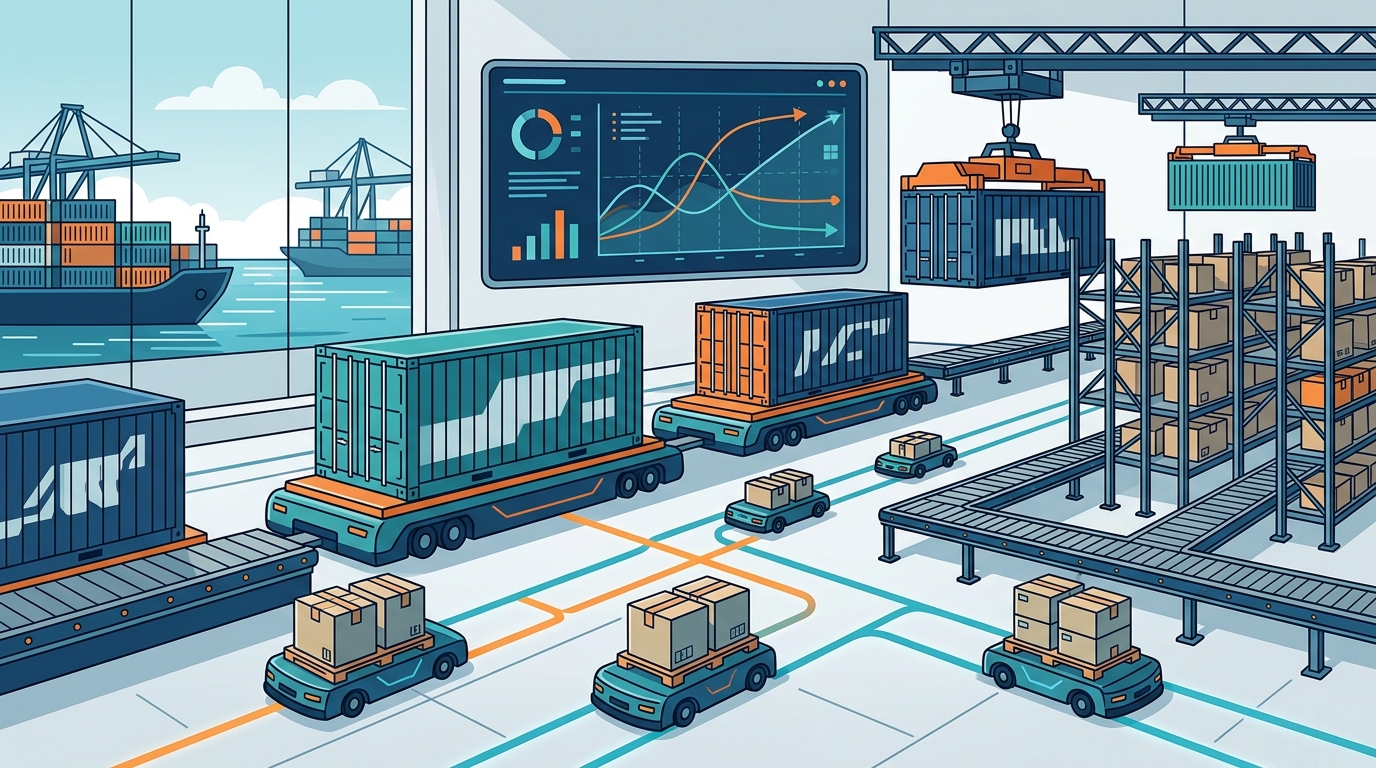
Visibility is the cornerstone of effective logistics management. Impel Dynamic provides a centralized dashboard that offers real-time tracking of shipments across multiple modes of transport. This visibility extends beyond simple location tracking to include status updates, estimated times of arrival, and exception alerts.
The platform integrates data from various sources, including carrier systems, GPS devices, and port authorities. This comprehensive data aggregation allows for a holistic view of the supply chain. For instance, if a shipment is delayed at a port, the system can automatically adjust downstream schedules and notify relevant stakeholders. This level of coordination is difficult to achieve with manual processes and is critical for maintaining customer satisfaction.
Data integration is also facilitated through robust API connections. Impel Dynamic's technology is designed to work with a wide range of third-party applications, ensuring that logistics data can be shared seamlessly across the enterprise. This interoperability reduces the need for custom development and accelerates the implementation timeline.
Enhanced Collaboration Through Shared Data
Shared data fosters better collaboration between shippers, carriers, and customers. Impel Dynamic's platform enables secure data sharing with partners, allowing everyone to operate from the same set of facts. This transparency builds trust and reduces disputes over charges or delays. When all parties have access to accurate, real-time information, decision-making becomes faster and more accurate.
Cost Reduction Mechanisms in Logistics
Cost reduction is a primary driver for adopting AI in logistics. Impel Dynamic helps companies identify and eliminate waste in their freight operations. This includes reducing empty miles, optimizing load consolidation, and minimizing detention and demurrage fees. By analyzing historical data, the platform can identify patterns of inefficiency that are not immediately obvious to human analysts.
One specific mechanism is the optimization of backhaul opportunities. Many carriers struggle to find return loads, leading to empty miles and higher costs. Impel Dynamic's AI can match these backhaul opportunities with shippers who need to move freight in the opposite direction, creating a win-win situation. This optimization not only reduces costs but also contributes to sustainability goals by lowering the carbon footprint of freight transport.
Additionally, the platform helps manage compliance costs. Freight management involves navigating a complex web of regulations, including customs, safety, and environmental standards. Impel Dynamic's system automates compliance checks, ensuring that shipments meet all regulatory requirements. This automation reduces the risk of fines and delays associated with non-compliance.
Financial Impact of AI Adoption
The financial impact of adopting AI-driven logistics solutions is significant. Companies that implement platforms like Impel Dynamic often see a reduction in freight costs by 10 to 15 percent within the first year. This savings comes from a combination of lower rates, reduced administrative overhead, and fewer operational disruptions. The return on investment is typically realized quickly, making AI a compelling choice for cost-conscious enterprises.
Implementation Challenges and Solutions
While the benefits of AI in logistics are clear, implementation can present challenges. One common hurdle is data quality. AI systems are only as good as the data they are fed. Impel Dynamic addresses this by providing tools for data cleansing and normalization, ensuring that the input data is accurate and consistent.
Another challenge is change management. Employees may be resistant to adopting new technologies, fearing that AI will replace their jobs. Impel Dynamic mitigates this by emphasizing the augmentative nature of their tools. The AI is designed to assist human decision-makers, not replace them. Training programs and support resources are provided to help users understand how to leverage the platform effectively.
Integration with legacy systems can also be complex. Impel Dynamic's platform is built with flexibility in mind, offering various integration options to accommodate different IT environments. This flexibility reduces the technical debt associated with implementation and ensures a smoother transition.
Ensuring Data Security and Privacy
Data security is a critical concern in logistics, as companies handle sensitive information about their supply chains. Impel Dynamic employs industry-standard security protocols, including encryption and access controls, to protect data. The company is also compliant with relevant data privacy regulations, such as GDPR and CCPA, ensuring that customer data is handled responsibly.
Key Takeaways
- Impel Dynamic leverages AI to optimize freight management, reducing costs and improving efficiency.
- The platform provides real-time visibility, allowing for proactive risk mitigation and better decision-making.
- AI-driven load matching can reduce administrative time by up to 40 percent.
- Cost savings of 10 to 15 percent are typical for companies adopting AI logistics solutions.
- Impel Dynamic's platform integrates seamlessly with existing ERP systems for unified data management.
- Predictive analytics help identify and mitigate supply chain disruptions before they occur.
- Change management and data quality are critical factors for successful implementation.
Frequently Asked Questions
What is Impel Dynamic?
Impel Dynamic is a logistics technology company that uses artificial intelligence to optimize freight management, enhance visibility, and reduce costs for enterprises.
How does AI improve freight optimization?
AI improves freight optimization by analyzing vast amounts of data to predict demand, match loads efficiently, and identify cost-saving opportunities that manual processes might miss.
Can Impel Dynamic integrate with my existing ERP system?
Yes, Impel Dynamic's platform is designed to integrate with a wide range of ERP systems through robust API connections, ensuring seamless data flow.
What kind of cost savings can I expect?
Companies typically see freight cost reductions of 10 to 15 percent within the first year of implementation, depending on their current operational efficiency.
How does Impel Dynamic handle data security?
Impel Dynamic employs industry-standard encryption and access controls to protect data, and is compliant with major data privacy regulations like GDPR and CCPA.
Is AI replacing human logistics managers?
No, AI is designed to augment human decision-making by providing insights and automating routine tasks, allowing managers to focus on strategic initiatives.
What industries does Impel Dynamic serve?
Impel Dynamic serves mid-to-large enterprises across various industries, including manufacturing, retail, and technology, that require complex freight management solutions.
Partner with Impel Dynamic
Transform your logistics operations with the power of artificial intelligence. Impel Dynamic offers tailored solutions to meet your unique business needs. To learn more about how we can help you optimize your supply chain, visit our contact page or explore our services today. Schedule a demo to see the platform in action and discover the potential for growth in your organization.