

Train Better, Keep More: The Sales Training–Retention Connection
Organizations that invest in structured sales development see a 20% increase in revenue growth compared to those that do not. This statistic highlights a critical reality for modern enterprises. Sales training is no longer just about closing new deals. It is the primary engine for retaining high-value clients and building a robust talent pipeline. When teams are equipped with the right methodologies, they transform from transactional vendors into strategic partners. This shift creates a sustainable competitive advantage that drives long-term profitability.
The Consultative Approach to Client Retention
Client retention is often overlooked in favor of new business acquisition. However, retaining existing clients is significantly more cost-effective than acquiring new ones. Sales training teaches professionals how to adopt a consultative selling mindset. This approach focuses on understanding the client's deepest challenges rather than just pushing a product. By mastering this skill, sales teams can identify new opportunities within existing accounts. This proactive stance prevents churn and builds deeper loyalty.
Impel Dynamic specializes in B2B and B2C sales training that emphasizes this exact methodology. Their programmes are designed to help teams move beyond simple transactions. They focus on creating scalable sales processes that resonate with modern buyers. When a salesperson acts as a trusted advisor, the client perceives higher value. This perception is crucial for maintaining relationships in competitive markets.
Effective training also addresses the fear of losing clients to competitors. Teams learn to articulate their unique value proposition clearly. They become adept at handling objections and demonstrating ROI. This confidence allows them to navigate complex negotiations successfully. The result is a client base that feels heard, understood, and valued. This emotional connection is a powerful deterrent to churn.
Furthermore, trained sales teams are better at forecasting and planning. They can anticipate client needs before they become critical issues. This foresight allows for proactive service delivery. It transforms the sales relationship from reactive to strategic. Companies that implement this shift often see a significant increase in customer lifetime value. The training provides the tools to execute this strategy consistently across the entire team.
Attracting Top Talent Through Professional Development
The second major benefit of sales training is its impact on talent acquisition and retention. Top performers seek environments where they can grow. They want to work for companies that invest in their professional development. A robust training programme signals that the organization values excellence and continuous improvement. This reputation attracts high-caliber candidates who are eager to learn and succeed.
Impel Dynamic offers tailored leadership and management training that prepares leaders for future challenges. This investment in leadership development is a key selling point for potential hires. It demonstrates a clear career path within the organization. Candidates are more likely to join a company that offers structured growth opportunities. This reduces the cost and time associated with recruiting new staff.
Internal retention is equally important. Sales roles often suffer from high turnover due to burnout and lack of support. Comprehensive training provides the support structure that employees need to thrive. It equips them with the skills to handle stress and manage complex accounts. This empowerment leads to higher job satisfaction and lower turnover rates. The organization benefits from a stable, experienced workforce.
Moreover, a culture of learning fosters innovation. When employees are encouraged to develop new skills, they bring fresh perspectives to problem-solving. This dynamic environment attracts ambitious individuals who want to make an impact. The talent pool expands as the company becomes known as a leader in professional development. This creates a virtuous cycle of growth and excellence.
Comparing Training Delivery Models
Choosing the right delivery method is crucial for maximizing the impact of sales training. Different organizations have different needs and learning styles. Impel Dynamic provides a variety of options to suit these diverse requirements. Understanding the differences between these models helps leaders make informed decisions.
| Delivery Model | Best For | Key Benefit |
|---|---|---|
| Bespoke Sales Programmes | Organizations with unique challenges | 100% tailored to specific business goals |
| Open Courses | Individual skill development | Networking with like-minded professionals |
| Virtual Training | Remote or distributed teams | Flexibility and accessibility |
| In-House Training | Team cohesion and culture | Direct application to daily workflows |
Bespoke programmes are particularly effective for addressing specific knowledge gaps. They allow for a deep dive into the unique aspects of a company's sales process. This level of customization ensures that the training is immediately relevant. Teams can apply what they learn from day one. This immediacy accelerates the return on investment.
Open courses offer a different advantage. They provide a broader perspective by exposing participants to industry best practices. This exposure can spark new ideas and approaches. It also allows for networking with peers from other organizations. This exchange of knowledge can be invaluable for professional growth.
Virtual training has become increasingly important in the modern workplace. It allows for consistent training across geographic boundaries. This is essential for global organizations. It ensures that all team members, regardless of location, receive the same high-quality instruction. This consistency is key to maintaining a unified sales culture.
In-house training fosters a strong sense of team unity. It allows for real-time feedback and collaboration. This model is ideal for implementing new strategies or correcting specific behaviors. It creates a safe environment for practice and experimentation. The team can learn together and support each other through the transition.
Measuring the Impact of Bespoke Programmes
Investing in sales training requires a clear understanding of the expected return. Impel Dynamic reports a 6X average ROI for their clients. This metric underscores the financial viability of structured training programmes. However, the benefits extend beyond immediate revenue. They include improved team morale, better client relationships, and enhanced market positioning.
Measuring ROI involves tracking key performance indicators. These include conversion rates, average deal size, and sales cycle length. By comparing these metrics before and after training, organizations can quantify the impact. This data-driven approach justifies the investment and guides future decisions. It also helps identify areas for further improvement.
Client feedback is another critical metric. Surveys and interviews can reveal changes in client satisfaction. This qualitative data provides insight into the effectiveness of the consultative approach. It helps refine the training content to better meet client needs. This continuous improvement loop ensures long-term success.
Talent metrics also play a role in measuring impact. Turnover rates and time-to-productivity for new hires are important indicators. A reduction in turnover suggests that the training is helping employees feel more supported and capable. A decrease in time-to-productivity indicates that the training is effectively accelerating skill acquisition. These metrics provide a holistic view of the training's value.
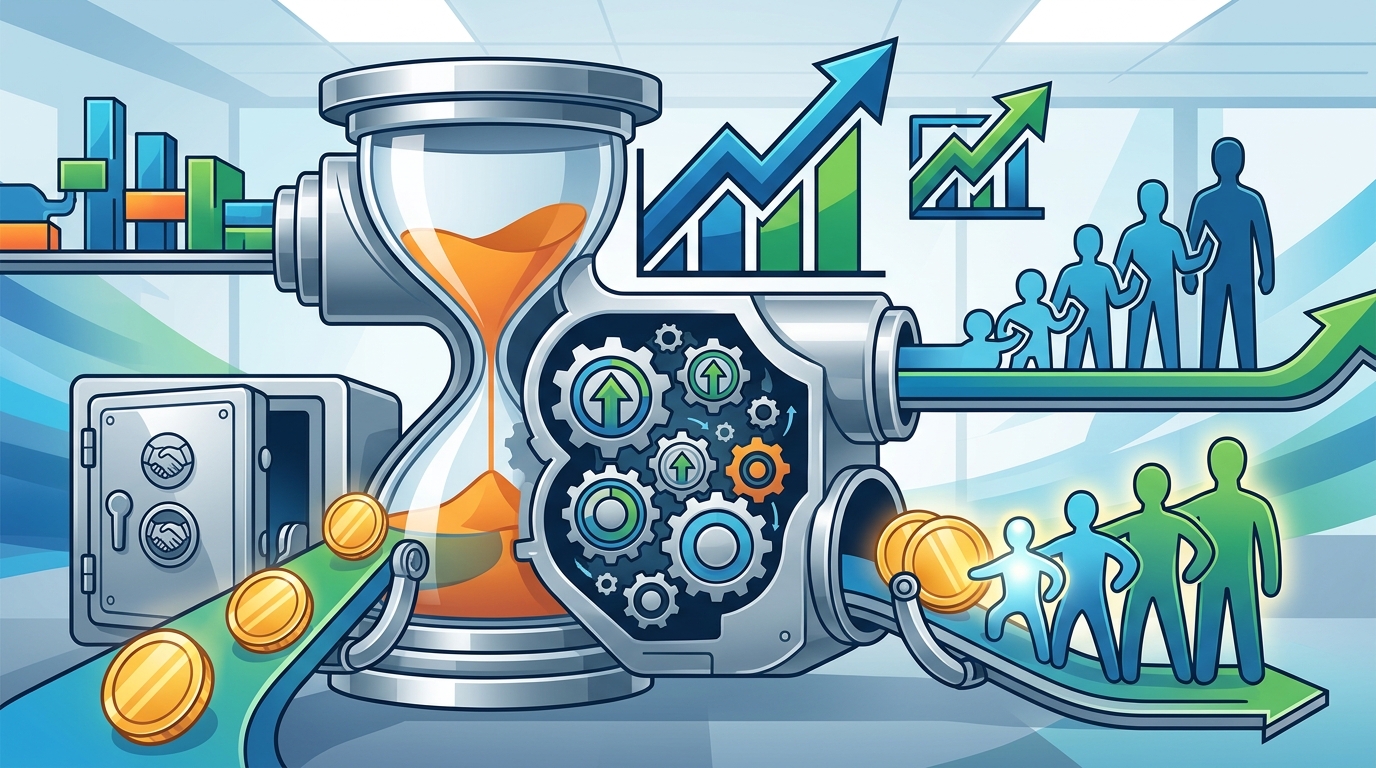
Ultimately, the goal is to create a self-sustaining cycle of growth. Training leads to better performance, which leads to higher revenue. This revenue can be reinvested in further development. This cycle builds a resilient organization that can adapt to changing market conditions. It positions the company for long-term success.
Key Takeaways
- Structured sales training drives a 20% increase in revenue growth for investing organizations.
- Impel Dynamic boasts a 99% client satisfaction rate across its training programmes.
- A consultative selling approach is essential for transforming vendors into trusted advisors.
- Bespoke sales programmes allow for immediate application of skills from day one.
- Professional development opportunities are a key factor in attracting top sales talent.
- Virtual and in-house training models offer distinct advantages for different organizational needs.
- Measuring ROI through conversion rates and client feedback ensures continuous improvement.
Frequently Asked Questions
How does sales training specifically help with client retention?
Sales training equips teams with consultative selling skills. This allows them to understand client needs deeply and provide tailored solutions. This proactive approach builds trust and loyalty, reducing the likelihood of churn.
What is the average ROI of sales training programmes?
According to industry data, structured sales training can yield an average ROI of 6X. This return is driven by increased sales volume, larger deal sizes, and improved efficiency.
Why is bespoke training better than generic courses?
Bespoke training is tailored to the specific challenges and goals of the organization. This ensures that the content is immediately relevant and applicable. Generic courses may not address unique business contexts, limiting their effectiveness.
How does sales training impact talent acquisition?
Offering robust training programmes signals a commitment to employee growth. This attracts high-caliber candidates who value professional development. It also helps retain existing staff by providing clear career paths.
What are the different delivery methods for sales training?
Common methods include bespoke programmes, open courses, virtual training, and in-house training. Each method offers unique benefits depending on the organization's size, location, and specific needs.
Can sales training help with cross-selling and upselling?
Yes, training teaches teams how to identify additional opportunities within existing accounts. By understanding the client's broader needs, they can recommend complementary products or services effectively.
How long does it take to see results from sales training?
Results can be seen quickly, especially with bespoke programmes that focus on immediate application. However, long-term impact requires ongoing reinforcement and coaching to ensure sustained behavior change.
Next Steps for Your Organization
Ready to transform your sales team? Impel Dynamic offers tailored solutions to meet your unique needs. Contact us today to discuss how our training programmes can help you retain valuable clients and grow your talent pool. Visit our homepage to learn more about our approach.