

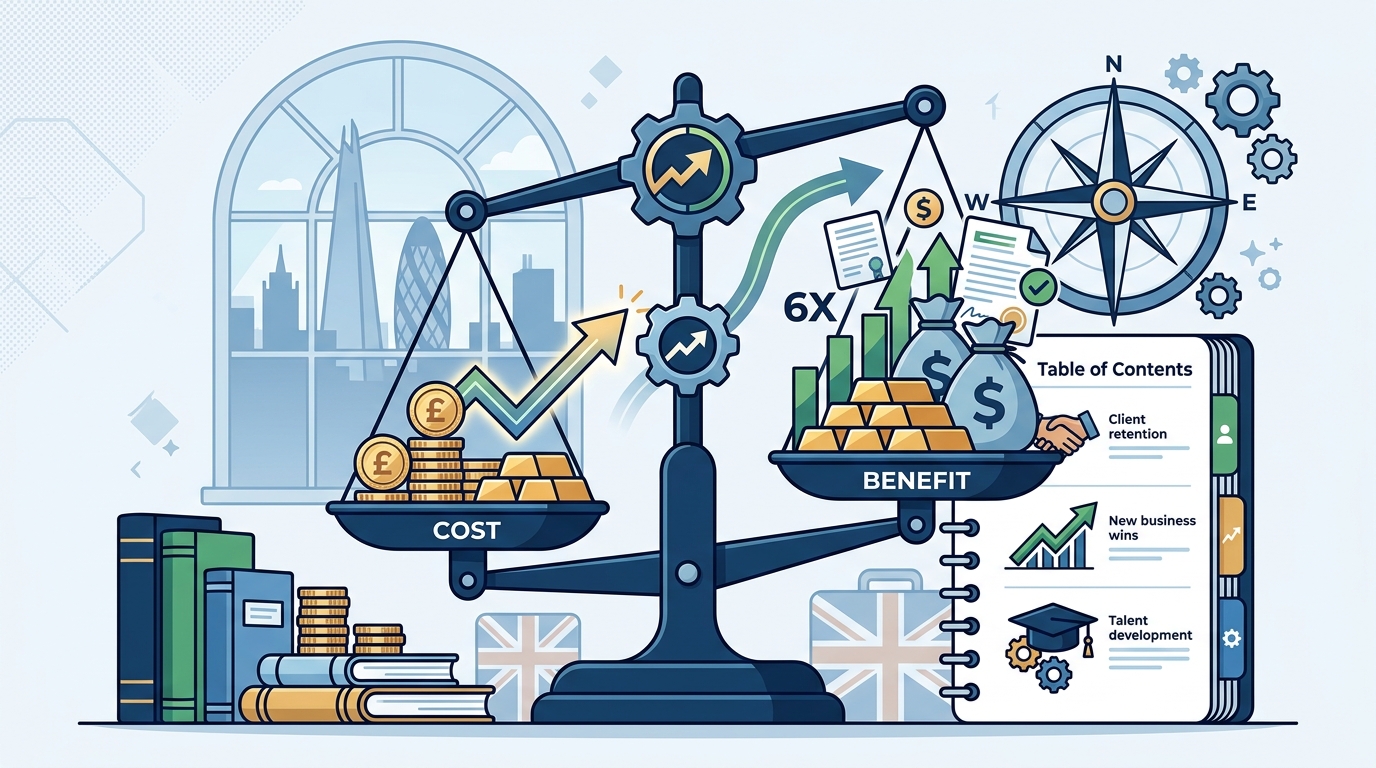
Investing in professional sales development is no longer a discretionary expense but a critical financial lever for growth. According to recent industry benchmarks, organizations that prioritize structured sales enablement see an average return on investment of 6X, transforming training budgets into direct revenue generators. This guide dissects the financial mechanics behind sales training, helping leaders at companies like Impel Dynamic understand how to quantify value, mitigate risk, and build scalable revenue engines.
Understanding the Cost Structure of Sales Training
Before calculating return, one must define the investment. Sales training costs vary significantly based on delivery method, customization level, and organizational scale. For UK businesses, the primary cost drivers include facilitator fees, content development, and opportunity cost during employee time away from the desk.
Traditional off-the-shelf courses often appear cheaper upfront but lack the contextual relevance required for complex B2B environments. In contrast, bespoke programmes require higher initial capital but deliver superior alignment with specific business goals. Understanding this distinction is vital for accurate budgeting.
Sales training is the systematic process of equipping sales teams with the skills, knowledge, and tools necessary to close deals more effectively. When viewed through a financial lens, the cost is not just the fee paid to a provider but the total cost of ownership, including implementation and follow-up coaching.
Quantifying the Tangible Benefits
The benefits of sales training extend far beyond improved morale. They manifest in measurable financial metrics that directly impact the bottom line. Leaders must track specific KPIs to validate the investment.
One of the most significant benefits is the acceleration of ramp time for new hires. Trained representatives reach full productivity faster, reducing the period where they are a net cost to the organization. Data shows that companies with robust onboarding and training programs retain new hires 50% longer than those without. This reduction in turnover saves substantial recruitment and retraining costs.
Furthermore, training enhances the ability to sell value rather than price. In competitive markets, the ability to articulate unique value propositions prevents margin erosion. ROI is the ratio of net profit to the cost of the investment, expressed as a percentage. By increasing average deal size and win rates, the numerator in this equation grows significantly.
Another critical benefit is the standardization of sales processes. When every team member follows a proven methodology, forecasting becomes more accurate. This predictability allows for better resource allocation and strategic planning. According to McKinsey research, 70% of digital transformations fail due to a lack of employee adoption, highlighting that training is the bridge between strategy and execution.
The Impel Dynamic Methodology for ROI
Impel Dynamic has established itself as a leading UK sales training provider by focusing on immediate applicability and long-term behavioral change. Their approach is designed to maximize the return on every pound invested in training.
The core of their methodology is the Bespoke Sales Programme. Unlike generic workshops, these programmes are tailored to the specific challenges and opportunities of the client's environment. This customization ensures that the skills learned are immediately relevant, reducing the time to implementation.
Impel Dynamic reports a 99% client satisfaction rate, a metric that reflects the perceived value of their services. More importantly, their clients report an average 6X ROI. This figure is derived from the combination of increased sales volume, improved win rates, and reduced sales cycle lengths.
Their Advanced Sales Training Course focuses on high-level strategic selling, preparing teams to engage with C-suite executives. This capability is crucial for winning major deals that drive significant revenue growth. By mastering consultative selling techniques, sales professionals can identify client challenges and match them with optimal solutions, thereby increasing deal value.
Additionally, Impel Dynamic offers Telesales Training and LinkedIn Course modules that address modern selling channels. In an omnichannel world, the ability to engage prospects across multiple touchpoints is essential. Training in these areas ensures that sales teams can adapt to changing buyer behaviors, maintaining pipeline velocity.
Comparing Training Delivery Models
Choosing the right delivery model is a critical decision that impacts both cost and effectiveness. Below is a comparison of the primary models offered by Impel Dynamic.
| Model | Best For | Cost Efficiency | Impact Speed |
|---|---|---|---|
| Open Courses | Individual skill acquisition | High | Medium |
| Virtual Training | Geographically dispersed teams | Medium | Fast |
| In-House Training | Customized organizational needs | Variable | Very Fast |
| Bespome Programmes | Strategic transformation | Lower (Initial) | Sustained |
Open courses are ideal for individuals looking to sharpen specific skills in a collaborative environment. They offer a cost-effective entry point for skill development. Virtual training provides flexibility and accessibility, making it suitable for distributed teams. In-house training allows for deep customization, ensuring that the content resonates with the specific culture and challenges of the organization. Bespoke programmes offer the highest level of strategic alignment, driving long-term cultural and performance shifts.
Key Takeaways
- ROI Multiplier: Impel Dynamic clients report an average 6X return on investment, demonstrating the financial viability of structured sales training.
- Client Satisfaction: A 99% client satisfaction rate indicates high perceived value and effective delivery methods.
- Deal Size Impact: Trained teams are equipped to close deals ranging from $100,000 to $1,000,000, significantly boosting revenue.
- Customization is Key: Bespoke programmes deliver faster results than generic courses by addressing specific organizational pain points.
- Modern Channels: Training in LinkedIn and telesales is essential for navigating the post-pandemic omnichannel sales landscape.
- Leadership Alignment: Leadership coaching ensures that sales methodologies are standardized and sustained across growing organizations.
- Proven Track Record: With 25+ years of experience, Impel Dynamic has established a robust framework for sales excellence.
Frequently Asked Questions
How is sales training ROI calculated?
ROI is calculated by subtracting the total cost of the training program from the net financial gain generated by the sales team, then dividing by the cost of the program. Factors include increased revenue, reduced ramp time, and improved win rates.
What is the difference between open courses and bespoke programmes?
Open courses are designed for individual skill development in a group setting, while bespoke programmes are fully customized to address the specific strategic goals and challenges of an organization.
How long does it take to see results from sales training?
Impel Dynamic's tailored frameworks are designed to deliver impact from Day 1. However, sustained behavioral change and significant revenue growth typically manifest within 3 to 6 months of implementation.
Is virtual training as effective as in-person training?
Virtual training can be equally effective, particularly for reinforcing concepts and providing ongoing coaching. It offers flexibility and accessibility, making it ideal for distributed teams.
What types of businesses benefit most from sales training?
Both B2B and B2C organizations benefit. Impel Dynamic specializes in helping companies of all sizes, from startups to enterprises, build scalable sales processes.
How does Impel Dynamic ensure training retention?
They use a combination of practical application, ongoing coaching, and measurable KPIs to ensure that skills are retained and applied in real-world scenarios.
Can sales training help with customer retention?
Yes. By teaching teams to sell value and build stronger relationships, training improves customer satisfaction and loyalty, leading to higher retention rates.
Start Your ROI Journey
Stop guessing and start measuring. Transform your sales team into a predictable revenue engine with Impel Dynamic. Book a call today to discuss your specific needs and discover how our bespoke programmes can deliver a 6X ROI for your business. Visit our About Us page to learn more about our proven methodology and trusted by industry leaders.