

Measuring the return on investment for sales training is often cited as the primary challenge for modern leadership teams. According to recent industry data, organizations that implement structured evaluation frameworks see a 6X average ROI compared to those relying on intuition alone. This statistic highlights a critical shift in how B2B and B2C enterprises approach talent development. The gap between spending on training and seeing tangible revenue growth is closing only for those who adopt rigorous, data-driven assessment models.
Defining Sales Training ROI
Before calculating returns, you must establish a clear baseline. Sales training ROI is not merely a measure of course completion rates. It is a financial metric that compares the monetary value of the benefits gained from the training against the cost of delivering that training. In the context of Impel Dynamic, this definition extends beyond immediate sales figures to include long-term behavioral changes and process standardization.
Many organizations fail because they stop measuring at the "happy sheet" level. They track satisfaction but ignore performance. True ROI evaluation requires linking learning outcomes to business KPIs. This involves tracking how training influences deal velocity, win rates, and average contract value. Without this linkage, training remains an expense rather than an investment.
Understanding the distinction between cost and value is essential. Cost includes facilitator fees, platform licenses, and employee time away from selling. Value includes increased revenue, reduced churn, and improved forecasting accuracy. The formula for ROI is straightforward: (Net Benefits / Cost of Training) x 100. However, the complexity lies in isolating the training's impact from other market variables.
The Evaluation Framework
To accurately assess the impact of your sales enablement efforts, you need a structured approach. The most widely accepted model is the Kirkpatrick Model, which evaluates training across four levels. This framework ensures that you capture both immediate reactions and long-term business results.
Level 1: Reaction and Engagement
This initial level measures how participants felt about the training. Did they find it relevant? Was the content engaging? While this data is easy to collect, it is the least predictive of actual performance. High satisfaction scores do not guarantee behavior change. However, low engagement scores are a clear warning sign that the content or delivery method needs adjustment.
Level 2: Learning
At this stage, you assess the increase in knowledge or capability. This can be measured through pre- and post-training assessments, role-play simulations, or certification exams. For example, a Advanced Sales Training Course might include a practical assessment where participants must demonstrate consultative selling techniques. This level confirms that the skills were acquired, not just heard.
Level 3: Behavior
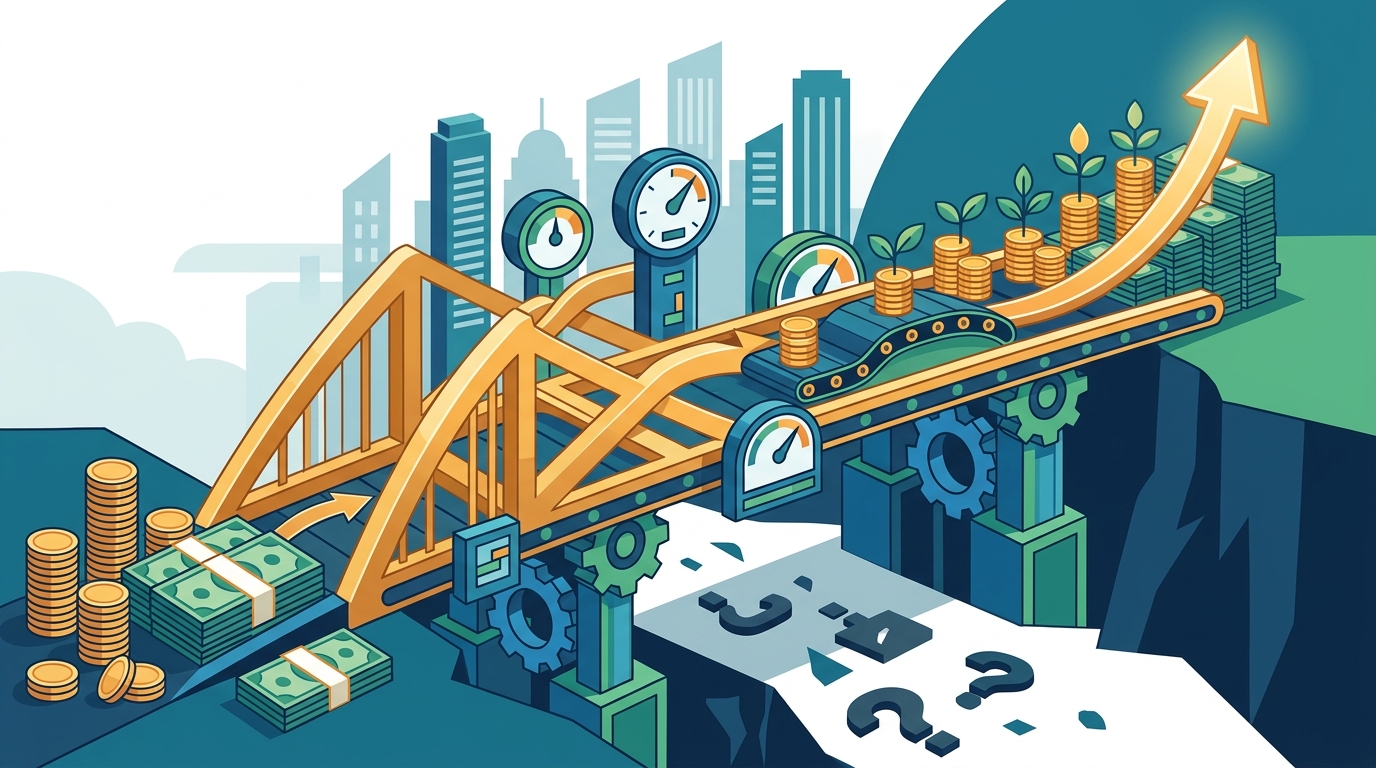
Behavior change is the most critical indicator of training success. It measures whether participants are applying what they learned on the job. This requires observation, coaching sessions, and CRM data analysis. If your team learned a new negotiation framework but continues to use old tactics, the training has failed to transfer. Regular coaching and reinforcement are necessary to sustain this level.
Level 4: Results
The final level links training to business outcomes. This is where you calculate the financial impact. Did win rates improve? Did sales cycles shorten? Did revenue increase? This level requires rigorous data analysis and often involves control groups to isolate the training effect. Organizations that master this level see significant competitive advantages.
Key Metrics to Track
Tracking the right metrics is essential for accurate ROI calculation. Different types of training require different KPIs. For instance, a Telesales Training program will focus on call volume and conversion rates, while a Sales Management Course might focus on team productivity and retention.
Here are the core metrics you should monitor:
- Win Rate: The percentage of opportunities that result in a closed deal. An increase here directly impacts revenue.
- Sales Cycle Length: The average time it takes to close a deal. Shorter cycles reduce costs and improve cash flow.
- Average Deal Size: The average value of closed deals. Training that improves value-based selling should increase this metric.
- Quota Attainment: The percentage of reps hitting their targets. This indicates overall team health and effectiveness.
- Time to Proficiency: How long it takes a new hire to reach full productivity. Faster onboarding reduces ramp-up costs.
These metrics provide a holistic view of performance. They allow you to correlate specific training interventions with specific business outcomes. For example, if you implement a new consultative selling approach, you should see an increase in average deal size and a potential shortening of the sales cycle due to more efficient qualification.
Training Delivery Comparison
Choosing the right delivery method impacts both cost and effectiveness. Different formats serve different purposes. The table below compares common training modalities based on cost, scalability, and impact.
| Delivery Method | Cost Level | Scalability | Impact on Behavior | Best For |
|---|---|---|---|---|
| Open Courses | Medium | High | Medium | Networking and foundational skills |
| Virtual Training | Low | Very High | Medium | Geographically dispersed teams |
| Bespoke Programmes | High | Low | Very High | Specific business challenges |
| In-House Training | Medium | Medium | High | Customized content for internal teams |
While open courses offer networking opportunities, they often lack the customization needed for complex B2B environments. Bespoke programmes, though more expensive, deliver higher ROI by addressing specific pain points. Bespoke Sales Programmes are particularly effective for organizations looking to implement a new sales methodology or address specific skill gaps.
Virtual training has gained prominence due to its cost efficiency and flexibility. However, it requires strong facilitation skills to maintain engagement. Blended models, which combine virtual and in-person elements, often provide the best balance of cost and impact. This approach allows for theoretical learning online and practical application in person.
Key Takeaways
- ROI Calculation: Use the formula (Net Benefits / Cost) x 100 to determine financial return.
- Kirkpatrick Model: Evaluate training across reaction, learning, behavior, and results levels.
- Behavior Change: The most critical indicator of success is the application of skills on the job.
- Key Metrics: Track win rate, sales cycle length, and average deal size for accurate assessment.
- Delivery Methods: Bespoke programmes offer the highest impact for specific business challenges.
- Impel Dynamic Stats: Clients report a 6X average ROI and 99% client satisfaction.
- Long-Term View: Training ROI should be measured over 6-12 months to capture full impact.
Frequently Asked Questions
How do you calculate sales training ROI?
Sales training ROI is calculated by subtracting the total cost of the training from the monetary value of the benefits gained, then dividing by the cost and multiplying by 100. This provides a percentage that represents the return on every dollar spent.
What is the most important metric for sales training?
While all metrics are important, behavior change is the most critical. Without the application of new skills, no business results will follow. Tracking win rates and sales cycle length are the best proxies for this application.
How long does it take to see ROI from sales training?
Typically, organizations begin to see measurable ROI within 3 to 6 months after training. However, full impact may take up to 12 months as behaviors solidify and new processes are fully integrated into the sales cycle.
What is the difference between bespoke and open sales training?
Bespoke training is tailored to the specific needs and challenges of a single organization, offering higher relevance and impact. Open training is designed for a broader audience and focuses on foundational skills and networking.
Why is behavior change difficult to measure?
Behavior change is difficult to measure because it requires ongoing observation and data analysis over time. It is not a one-time event but a continuous process that depends on reinforcement and coaching.
Can virtual training deliver the same ROI as in-person training?
Virtual training can deliver comparable ROI if it includes interactive elements and follow-up reinforcement. However, complex skill acquisition often benefits from the immediate feedback of in-person or blended models.
How does Impel Dynamic measure training success?
Impel Dynamic measures success through client feedback, observed behavior change, and reported business results. Their clients report a 6X average ROI and high levels of satisfaction with their tailored programmes.
Next Steps
Evaluating sales training ROI is not just about accounting. It is about strategic decision-making. By implementing a rigorous evaluation framework, you can ensure that your training investments drive real business growth. If you are ready to transform your sales team's performance, consider exploring our Bespoke Sales Programmes. We provide tailored solutions that address your unique challenges and deliver measurable results. Contact us today to schedule a consultation and discover how we can help you achieve your sales goals.